
Travel videography calls for a drone that is easy to pack, simple to control, and steady enough to capture watchable footage in changing conditions. The options below range from a compact DJI with a 3-axis gimbal to models offering a built-in screen, longer claimed flight time, or higher frame-rate video. One important distinction: a “4K camera” label does not always mean the listed video recording resolution is 4K, so check the video specs before choosing.
Quick Comparison
| Drone | Video and stabilization | Travel-friendly feature | Best for |
|---|---|---|---|
| DJI Mini 4K Camera Drone Combo | 4K UHD video; 3-axis gimbal | Under 249 g; two batteries in this combo | Steady footage and beginner-friendly flying |
| Vvoqeote GPS Drone with 4K Camera | Advertised 4K camera; adjustable 90-degree lens | Built-in 4.5-inch controller screen | Phone-free viewing and basic travel flights |
| NAFYRE 4K UHD GPS Drone | 4K photos; listed video resolution is 2048 × 1080 | Three batteries; claimed 90 minutes total flight time | Long practice sessions and GPS flight modes |
| SKYROVER X1 Drone Combo | 4K/60fps HDR video; 3-axis gimbal | Built-in touchscreen controller; under 249 g | Smoother, more detailed travel footage |
| Bwine F7MINI Drone | 4K/30fps video; 3-axis gimbal | Three batteries; claimed 96 minutes total flight time | Extended outings with a compact drone |
Our Picks: Best 4K Drones For Travel Videography reviews
DJI Mini 4K: A Compact Pick for Steady Travel Footage
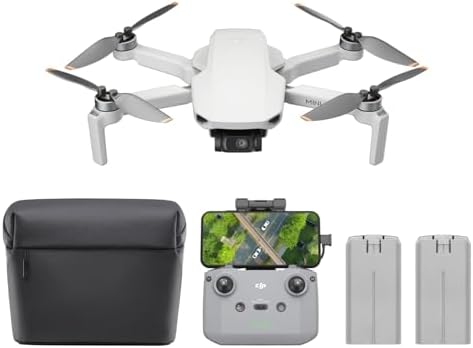
The DJI Mini 4K is a strong all-around choice if stable footage matters more to you than a long list of advanced camera modes. It records 4K UHD video and uses a 3-axis gimbal to help keep the camera level as the drone moves. That physical stabilization is useful for travel clips, where small changes in direction can otherwise make footage look shaky.
The drone weighs under 249 g, and the listed combo includes two batteries, a remote controller, a shoulder bag, and spare parts. DJI lists one-tap takeoff and landing, GPS Return to Home, stable hovering, and QuickShots such as Helix, Dronie, Rocket, Circle, and Boomerang. The product description also states a maximum HD video transmission distance of up to 10 km; treat that as a stated maximum, not a promise of usable range in every location.
It suits travelers who want a relatively simple setup with a gimbal and automated shot options. One practical point to plan for: the DJI Fly app is not available through Google Play according to the product information, so Android users may need to download it from DJI’s official website. Flight time and legal requirements also depend on conditions and how you fly.
Pros:
- 4K UHD video with 3-axis gimbal stabilization
- Under-249-g design is easy to pack
- Beginner-focused controls and GPS Return to Home
- Combo includes two batteries and a shoulder bag
Cons:
- Android app setup may require a download from DJI rather than Google Play
- Advertised transmission range should not be treated as a typical flight distance
Verdict: Choose the DJI Mini 4K if you want a travel-ready drone with clearly specified 4K video, a 3-axis gimbal, and approachable controls.
Vvoqeote GPS Drone: Convenient Viewing Without a Phone

This foldable GPS drone stands out for its controller with a built-in 4.5-inch screen. You can view the live feed on the controller without needing to mount a phone, which can make packing and setup simpler. The product also says the included SD card can store photos and videos, though it does not specify the recorded video resolution in the supplied details beyond describing the camera as 4K.
The camera lens adjusts remotely through a 90-degree range, giving you a way to change the viewing angle during flight. GPS features include One-Key Return, Low Battery Return, and Signal Loss Return, while Follow Me, Tap Fly, and Point of Interest offer extra ways to frame a scene. Two batteries are included, with up to 30 minutes per battery and up to 60 minutes total claimed flight time.
At under 249 g, it is presented as a portable option for outdoor trips. However, the supplied specifications do not list a gimbal or another form of camera stabilization. If smooth video is your priority, that is a meaningful difference compared with the DJI, SKYROVER, and Bwine models here. Check the recorded video settings before buying if you need confirmed 4K video files.
Pros:
- Built-in controller screen can be used without a phone
- Foldable design and under-249-g stated weight
- GPS return features and several smart flight modes
- Two batteries with up to 60 minutes of total flight time claimed
Cons:
- Supplied details do not confirm 4K video recording resolution
- No gimbal or camera stabilization system is specified
Verdict: Consider the Vvoqeote if the built-in screen and phone-free setup matter most, but verify its video output and stabilization before choosing it for polished travel footage.
NAFYRE GPS Drone: A Three-Battery Kit for Longer Sessions

The NAFYRE N11 PRO is a GPS quadcopter with three included batteries and a stated control range of 3,328 feet. Its product information claims up to 90 minutes of total flight time across the batteries. That is a combined figure, not one continuous flight, and actual time can vary with conditions and use. The description also notes that a charger is not included, so check what charging equipment you will need before traveling.
There is an important video-spec detail to weigh against the “4K UHD” wording: the listed photo resolution is 4096 × 3072, while the listed video resolution is 2048 × 1080. That is not 4K video. Its camera has a 100-degree wide-angle lens that can be adjusted within 90 degrees, and GPS functions include Follow Me, Tap Fly, Point of Interest, and automatic return when the battery is low or the signal is lost.
The product describes the drone as under 0.55 lb and includes both GPS positioning for outdoor use and optical-flow positioning for indoor flight. Weight rules depend on the drone’s actual takeoff weight and how it is used, so verify the measured weight and applicable FAA requirements rather than relying on a marketing claim. For travel videography, the long claimed battery total may be appealing, but the listed video resolution makes this a less suitable choice if true 4K video is essential.
Pros:
- Three batteries with up to 90 minutes of combined flight time claimed
- GPS return features and several automated flight modes
- Adjustable wide-angle camera
- Includes GPS and optical-flow positioning systems
Cons:
- Listed video resolution is 2048 × 1080, not 4K
- Charger is not included, according to the product description
Verdict: The NAFYRE may suit you if you value multiple batteries and GPS flight modes, but skip it if your main goal is confirmed 4K video capture.
SKYROVER X1: A Feature-Rich Choice for Smooth 4K/60fps Video

The SKYROVER X1 has one of the strongest stated camera packages in this group: 4K/60fps HDR video, 48MP photos, a 1/1.32-inch CMOS sensor, and a 3-axis gimbal. The higher listed frame rate can give you more flexibility for smooth-looking motion or slow-motion editing, although the product description does not specify every recording format or setting.
Its controller has a 5.5-inch touchscreen with a stated brightness of 700 nits, so you can see the live view without using your phone. The drone is listed as under 249 g and includes 360-degree obstacle sensing, Smart Return to Home, AI Auto Track, Smart Spotlight, Dual Tracking, and vertical shooting. Three batteries are said to provide up to 96 minutes of total flight time.
This is a compelling fit for travelers who want more camera and control features in a compact package. The trade-off is complexity: with obstacle sensing and several tracking modes, it offers more tools to learn than a basic beginner drone. Its long transmission distance is a manufacturer-stated maximum, not a sensible target for every flight; maintain a safe, legal flight path and keep the drone under your control.
Pros:
- 4K/60fps HDR video and 3-axis gimbal stabilization
- Built-in touchscreen controller with no phone required
- 360-degree obstacle sensing and several tracking modes
- Three batteries with up to 96 minutes of total flight time claimed
Cons:
- Its many automated features may take time to learn
- Long-range transmission figures are maximum claims, not guaranteed operating distances
Verdict: Pick the SKYROVER X1 if you want the most advanced listed video features here, especially 4K/60fps HDR, a gimbal, and a screen-equipped controller.
Bwine F7MINI: Gimbal Stability and Three Batteries for Trips

The Bwine F7MINI pairs 4K/30fps video with a 3-axis gimbal, which gives it a useful balance of compact size and camera stability for travel clips. Its product description also lists 8K photos, a 48MP 1/2-inch CMOS sensor, and an f/1.8 aperture. These photo specifications do not change the video limit: the stated video mode is 4K at 30 frames per second.
The package includes three batteries, each claimed to provide up to 32 minutes, for up to 96 minutes total. It also lists GPS features such as Smart Return to Home, auto cruise, orbit, waypoint, and follow modes. The drone is described as weighing under 249 g, but check its actual takeoff weight and the rules that apply to your flight before relying on any registration exemption.
The Bwine is a good fit for travelers who want gimbal-stabilized video and extra battery capacity without needing 60fps recording. Its stated 20,000-foot transmission figure is a maximum claim and should not be treated as a practical flight plan. Before packing it for a trip, also confirm the charging setup and local rules for flying at your destination.
Pros:
- 4K/30fps video with 3-axis gimbal stabilization
- Three batteries with up to 96 minutes of combined flight time claimed
- GPS-assisted modes and Return to Home features
- Compact, under-249-g design as described by the manufacturer
Cons:
- Video is listed at 30fps, rather than the SKYROVER’s 60fps
- Advertised transmission distance is a maximum claim, not a typical-use guarantee
Verdict: Choose the Bwine F7MINI if you want a gimbal-equipped travel drone with several batteries and 4K/30fps video, but do not need the higher frame rate offered by the SKYROVER.
How to Choose a 4K Drone for Travel Videography
Check the Actual Video Resolution and Frame Rate
Look for the recorded video resolution, not just “4K” in a product title. A drone may advertise a 4K camera while listing a lower video resolution, as the NAFYRE does in the supplied specifications. Frame rate matters too: 4K/60fps gives you more frames to work with than 4K/30fps, while both can suit different shooting styles and editing needs.
Prioritize Stabilization for Moving Footage
A 3-axis gimbal helps keep the camera steady as the drone tilts and moves. That can make a noticeable difference in footage of coastlines, roads, and moving subjects. If a product description does not name a gimbal or another stabilization system, do not assume it has one. The DJI Mini 4K, SKYROVER X1, and Bwine F7MINI explicitly list 3-axis gimbal stabilization.
Balance Weight with the Rules at Your Destination
A light, foldable drone is easier to pack, but weight alone does not settle every legal question. In the United States, registration and Remote ID requirements can depend on factors such as the drone’s actual takeoff weight and how it is being used. Check current FAA guidance before flying, and look up local rules at your destination. Recreational flyers also need to follow applicable training and airspace requirements.
Think About Batteries, Not Just Maximum Flight Time
Combined battery claims can help you compare kits, but they do not mean you will get that amount of uninterrupted flight. Wind, temperature, flight style, and battery condition can affect time in the air. Count the included batteries and check whether a charger is included. The NAFYRE product description, for example, says no charger is included.
Choose a Controller Setup You Will Actually Use
A built-in screen can reduce reliance on your phone, as with the Vvoqeote and SKYROVER models. A phone-based setup may be fine if you already use the required app and have a secure way to mount your phone. Also check any app setup notes before leaving home; the DJI product information directs Android users to download DJI Fly from DJI’s official website rather than Google Play.
Use Range and Safety Features Realistically
Maximum transmission distance is not the same as a safe or legal distance to fly. Trees, buildings, interference, battery limits, and local rules can all affect a flight. GPS return features and obstacle sensing can add support, but they do not replace pilot attention or guarantee that a drone will avoid every hazard. Keep the aircraft within the limits that apply to your flight.
Frequently Asked Questions
Which drone in this list has the clearest 4K video specifications?
The DJI Mini 4K is explicitly described as recording 4K UHD video and includes a 3-axis gimbal. The SKYROVER X1 lists 4K/60fps HDR video and a gimbal, while the Bwine lists 4K/30fps video and a gimbal. The NAFYRE’s supplied video specification is 2048 × 1080, despite its 4K marketing language.
Does “4K camera” always mean the drone records 4K video?
No. Check the video resolution listed in the product details. A camera may have a 4K label or capture high-resolution still photos while recording video at a lower resolution. The NAFYRE is a clear example: its listed photo resolution is 4096 × 3072, but its listed video resolution is 2048 × 1080.
Which option has the longest claimed total flight time?
The SKYROVER X1 and Bwine F7MINI each list up to 96 minutes across three batteries. These are combined maximum claims, not a guarantee of continuous flight time. Conditions and flying style can affect how long each battery lasts.
Can I fly an under-249-g drone without registering it?
Weight can affect registration requirements, but it is not the only factor. Rules depend on the drone’s actual takeoff weight and the purpose of the flight, and Remote ID or other requirements may apply. Check current FAA guidance and confirm local rules before flying.
Is a built-in screen better than using a phone?
It can make setup more convenient because the live view appears on the controller without mounting a phone. The Vvoqeote and SKYROVER list built-in screens. A phone-based controller can still be a good fit if you prefer that setup and have the required app ready.
Do GPS return features make a drone safe to fly anywhere?
No. Return-to-Home features can help if a signal is lost or a battery is low, but they do not make every location safe or legal. Check airspace, avoid hazards, maintain control, and follow the drone’s instructions for setting its return point.
Final Recommendation
For a straightforward travel drone with explicitly listed 4K UHD video, a 3-axis gimbal, and beginner-friendly controls, the DJI Mini 4K is the best all-around starting point. Choose the SKYROVER X1 if 4K/60fps HDR video and a built-in screen are higher priorities, or the Bwine F7MINI if you want gimbal stabilization and three batteries at 4K/30fps. Before buying any option, confirm the recording specs, charging needs, and flight rules for the places you plan to visit.