
Long shifts in work boots can leave your feet tired, especially when you spend hours on hard floors. The right insole can add cushioning or firmer arch support, but it also needs to fit your boot without making it feel cramped. These picks range from heavy-duty orthotics to softer memory-foam inserts, so you can compare their support styles and choose what suits your feet and footwear.
Quick Comparison
| Insole | Support style | Notable features | Best suited for |
|---|---|---|---|
| VALSOLE 250+ lbs Heavy Duty Support Insoles | Firm, high arch support | TPU support, Poron heel pad, metatarsal pads | People seeking structured support and cushioning |
| DWTWLE 4D Cloud Memory Foam Insoles | Soft, cushioned support | Memory foam heel, gel insert, honeycomb design | People who prioritize a softer feel |
| FULL BE DARE Arch Support Work Insoles | Steady arch support | Dual-layer cushioning, stitched edges, trim lines | Long shifts and everyday work footwear |
| WalkHero Plantar Fasciitis Insoles | Moderate arch support | Deep heel cup, EVA material, breathable fabric | Wider, higher-volume shoes and boots |
| VALSOLE 220+ lbs Heavy Duty Support Orthotics | Firm, high arch support | TPU support, Poron heel pad, deep heel cup | People wanting structured support for work boots |
Our Picks: Best Boot Insoles For Standing All Day reviews
VALSOLE 250+ lbs: Firm Support for Long Shifts
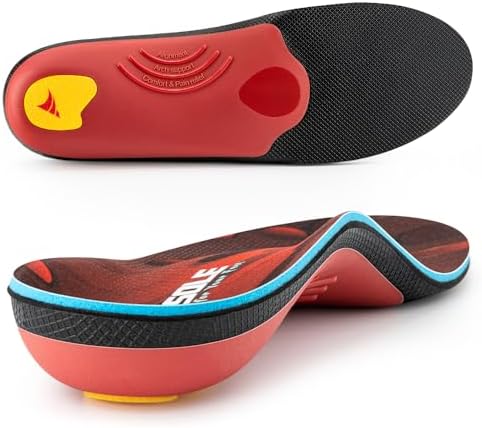
This VALSOLE model is a structured orthotic insole with firm high-arch support. Its design combines a rigid TPU support piece with a heel cup, Poron heel pads, and forefoot metatarsal pads. The product is designed for people over 250 pounds, though fit and comfort will also depend on your foot shape and boot.
The firmer structure may suit you if a soft, flat insert does not feel supportive enough. The heel and forefoot padding are intended to cushion impact, while the arch and heel structure aim to help steady the foot. The insoles can be trimmed for fit and are listed for use in work boots, hiking shoes, and other footwear.
Compared with the softer DWTWLE option, this pair emphasizes structure over a plush feel. That can be useful in a roomy work boot, but rigid support may feel pronounced at first. The product recommends starting with a few hours of wear each day and gradually increasing use. Check that your boots have enough room before inserting them.
Pros:
- Firm high-arch support with a TPU support piece
- Poron heel pads and forefoot metatarsal pads
- Trim-to-fit design for several types of footwear
- Designed for people over 250 pounds
Cons:
- The firm support may take time to get used to
- May reduce available space in a snug boot
Verdict: Choose this VALSOLE pair if you want a firm, supportive insole with heel and forefoot cushioning and your boots have enough room for an orthotic-style insert.
DWTWLE 4D Cloud: A Softer, Cushioned Feel

The DWTWLE insoles focus on cushioning rather than rigid orthotic support. They use PU material, a U-shaped memory-foam heel, and a gel insert at the bottom. A honeycomb design and moisture-wicking materials are also described as part of the construction.
This softer design may appeal if your main goal is adding a cushioned layer to a work boot. The heel foam and gel insert are intended to absorb some impact, while the breathable design aims to help manage warmth and moisture. The product is listed for work, walking, and athletic footwear, and a transition period is recommended.
Compared with the two VALSOLE options, this pair does not list a rigid TPU support piece or the same heavy-duty support design. That may make it a less suitable choice if you specifically want firm arch control. Soft foam can also change how much space is left in your boot, so check the fit before wearing it for a full shift.
Pros:
- Memory-foam heel and gel insert for cushioning
- Honeycomb design intended to encourage airflow
- Listed for work, walking, and running footwear
- Soft feel may suit people who prefer cushioning to rigid support
Cons:
- Does not list a rigid support structure like the VALSOLE models
- May not suit people seeking firm arch control
Verdict: Consider the DWTWLE pair if a softer, cushioned feel matters more to you than a firm orthotic structure.
FULL BE DARE: Work-Focused Support with Dual-Layer Cushioning

These FULL BE DARE insoles are designed for long shifts, daily walking, and standing on hard floors. Their listed construction pairs steady arch support with dual-layer cushioning and heel comfort. The product description also notes reinforced stitched edges, a detail intended to help resist fraying with regular use.
The design aims to balance support and cushioning without feeling overly hard. It is listed for work boots, steel-toe boots, walking shoes, and sneakers, and includes cut lines for trimming. That work-focused fit makes it a practical option if you want one insert for several kinds of everyday footwear.
Compared with the DWTWLE model, this pair puts more emphasis on arch support and work-boot use than on memory foam. It does not specify the same rigid TPU support piece found in the VALSOLE insoles, so shoppers who want a distinctly firm structure may prefer those. As with any replacement insole, check the boot’s interior volume before trimming or wearing it for a full shift.
Pros:
- Combines arch support with dual-layer cushioning
- Designed for work boots and long periods on your feet
- Reinforced stitched edges are intended to resist fraying
- Cut lines allow trimming for fit
Cons:
- Does not list a rigid TPU support piece
- Fit may vary with boot shape and available interior space
Verdict: Pick these if you want work-focused arch support and cushioning in a trim-to-fit insert, without the more rigid design of a heavy-duty orthotic.
WalkHero: Moderate Support for Roomier Boots

WalkHero describes these inserts as providing moderate control and support, with a deep heel cup and EVA material. The design is intended for wider, higher-volume shoes, including work boots, and also lists everyday and athletic footwear as possible uses.
The deep heel cup is meant to help hold the heel in position, while the EVA material is described as offering shock absorption. The fabric is intended to help keep feet cool. This combination may be worth considering if you want more structure than a basic flat insert but do not want to start with the most rigid option in this lineup.
Compared with the FULL BE DARE pair, WalkHero specifies EVA material and a deep heel cup but does not list dual-layer cushioning or reinforced stitched edges. It may be a poor fit for a narrow or low-volume boot, since the product is designed for roomier footwear. Check the fit carefully before relying on it for a long day.
Pros:
- Moderate support for everyday use
- Deep heel cup designed to help stabilize the heel
- EVA material is intended to absorb impact
- Designed for wider, higher-volume shoes such as work boots
Cons:
- May not fit well in narrow or low-volume boots
- Does not list the reinforced edges found on the FULL BE DARE pair
Verdict: WalkHero is a reasonable option if your boots have extra room and you want moderate support with a deep heel cup.
VALSOLE 220+ lbs: Heavy-Duty Support for Work Boots

This VALSOLE model is a firm orthotic-style insert designed for people over 220 pounds. Its listed features include high-arch support, a black TPU support piece, a deep heel cup, and a Poron heel pad. The product description also mentions metatarsal support and use in work boots and other footwear.
The structured design aims to support the arch and heel while adding cushioning under the heel. It can be trimmed, which may help you adjust its length for a boot. The product is intended for people who want more substantial support than a soft foam insert can provide, but it may feel too firm if you prefer a flexible, cushioned insole.
It has much in common with the VALSOLE 250+ lbs model, including TPU support and a Poron heel pad. The key listed distinction is its weight threshold: this version is designed for people over 220 pounds, while the other is designed for people over 250 pounds. Compare the product details and choose based on your needs and fit rather than assuming either threshold guarantees comfort.
Pros:
- Firm high-arch support with a TPU support piece
- Deep heel cup and Poron heel pad
- Trim-to-fit design for boots and other footwear
- Designed for people over 220 pounds
Cons:
- Firm support may feel uncomfortable at first
- Can take up room in a close-fitting boot
Verdict: Choose this model if you want structured, heavy-duty support for work boots and prefer its stated weight range to the 250+ lbs VALSOLE option.
How to Choose Boot Insoles for Standing All Day
Decide how much arch support you want
Insoles vary from soft cushioning to firm, structured support. The DWTWLE pair focuses on memory foam and a gel insert, while both VALSOLE models list a rigid TPU support piece and high-arch design. If you are unsure what feels right, consider how your current footwear feels and whether you prefer a flexible or more supportive base. A high arch or firm insert is not automatically the best choice for every foot.
Match the insole to your boot’s interior space
Replacement insoles take up room, and a thick or rigid model can make a boot feel tight. This matters in work and steel-toe boots, where a secure fit is important. WalkHero is specifically described for wider, higher-volume shoes. Before wearing a new pair for a full shift, check the toe room, heel fit, and overall comfort with the insole installed.
Choose cushioning based on your work surface
If you spend much of the day on hard floors, heel cushioning and impact absorption may be priorities. The VALSOLE models list Poron heel pads, WalkHero lists EVA material, and DWTWLE describes memory foam and a gel insert. These design details can help you compare styles, but they do not guarantee a particular level of comfort. Your boot’s original cushioning and your own preferences matter too.
Check whether the insole can be trimmed
Several options are described as trim-to-fit. Follow the product’s size guide and cut lines, and trim gradually rather than removing too much at once. A poor fit can bunch or shift inside a boot. The FULL BE DARE listing also advises checking the size guide before trimming.
Allow time to adjust to firmer support
A structured insole may feel different from the flat liner that came with your boots. The VALSOLE 250+ lbs listing recommends starting with two to three hours a day and gradually increasing wear; the other VALSOLE listing also describes a transition period. If an insert causes increasing discomfort, stop using it and reassess the fit instead of pushing through a full shift.
Consider your specific foot concerns
Several products are marketed for concerns such as plantar fasciitis, flat feet, or heel discomfort. Insoles can change the way your footwear feels, but they are not a substitute for medical care. If pain is persistent, severe, or getting worse, seek advice from a qualified health professional about suitable footwear and support.
Frequently Asked Questions
Are firm or soft insoles better for standing all day?
It depends on your feet, boots, and comfort preference. A soft insert such as DWTWLE may suit someone looking for cushioning, while the VALSOLE models provide a firmer, more structured design. Neither style is best for everyone.
Can I put these insoles in work boots?
All five products are listed for work footwear or boots. Check the size guidance and available boot space before use, since an added insole can make a snug boot feel tighter.
Should I remove the boot’s original insole first?
Check whether the original liner is removable and follow the instructions for your boots and replacement insole. Using one insole on top of another may reduce toe room and change the fit.
How long does it take to get used to orthotic insoles?
It varies. The VALSOLE 250+ lbs listing recommends beginning with a few hours per day and increasing gradually, and some of the other listings also note a transition period. Stop if the fit causes worsening discomfort.
Can I trim an insole to fit my boots?
The VALSOLE models, FULL BE DARE, and some other products in this lineup describe trim-to-fit sizing. Use the size guide and cut lines provided with your specific pair, and trim carefully.
Will insoles cure plantar fasciitis or other foot pain?
No insole can be promised to cure a condition. These products are marketed to provide support or cushioning for certain foot concerns, but results and comfort vary. Talk with a health professional if pain persists or affects your daily activities.
Which option is best if I want a softer feel?
The DWTWLE 4D Cloud insoles are the clearest soft-cushioning choice in this group because they list a memory-foam heel and gel insert. If you want more structured arch support, compare the FULL BE DARE and VALSOLE options instead.
Final Recommendation
For firm, heavy-duty support, compare the two VALSOLE models and choose the one that best matches your needs and boot fit. If you prefer a softer feel, the DWTWLE pair is the most cushioning-focused option here. The FULL BE DARE and WalkHero insoles offer alternatives for shoppers seeking work-oriented support with a less explicitly rigid design. Whichever you choose, check your boot’s interior space and ease into a new insole before wearing it through a full shift.