
Choosing the best ceramic or porcelain tile for a kitchen depends on where it will go. A backsplash has different needs from a floor: ceramic is often a practical, lighter option for walls, while porcelain is a strong choice when you want a tile listed for floor use. The five picks below range from glossy green accents to patterned and handmade-look porcelain, with size and coverage details to help you plan.
Quick Comparison
| Tile | Material and finish | Size | Best suited for |
|---|---|---|---|
| Tiletopia Blue Terracotta Mosaic Porcelain Tile | Porcelain, matte | 6 x 6-inch mesh sheet | Patterned walls and listed floor applications |
| TILECLUB Sage Green Deco Square Ceramic Tile | Ceramic, glossy | 4 x 4 inches | Kitchen backsplashes and walls |
| Tenedos Light Blue Glossy Porcelain Subway Tile | Porcelain, glossy | 1.75 x 7.75 inches | Backsplashes and other wall or floor accents |
| Tenedos Teal Green Glossy Porcelain Tile | Porcelain, glossy | 5.75 x 5.75 inches | Small backsplash or accent projects |
| TILECLUB Sage Green Subway Ceramic Tile | Ceramic, glossy | 2.5 x 8 inches | Kitchen backsplashes and walls |
Our Picks: Best Ceramic Or Porcelain Tile For Kitchen reviews
1. Tiletopia Blue Terracotta Mosaic Porcelain Tile: Best for Pattern
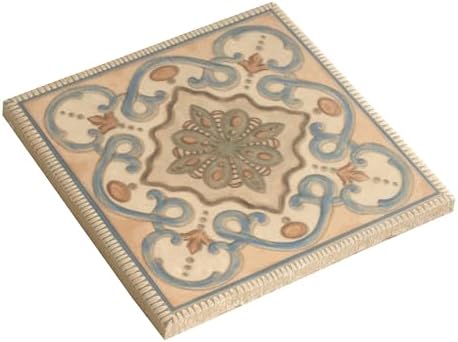
This blue terracotta-look porcelain mosaic is a distinctive option if you want more pattern than a standard square or subway tile. Its matte finish gives it a softer, low-glare appearance, and the mesh backing keeps the pieces aligned in sheets for installation.
The listing describes it as suitable for walls and floors, including kitchen floors and backsplashes. Each sheet measures 6 x 6 inches, and a box contains 19 sheets covering about 4.75 square feet. That relatively small box coverage means you’ll want to measure carefully and plan for extra material for cuts and waste.
Porcelain’s low water absorption and the tile’s stated frost resistance add versatility, though those features don’t replace checking that the product suits your exact installation. The listing does not provide a slip-resistance rating, so confirm suitability before choosing it for a kitchen floor.
Pros:
- Matte patterned design adds visual interest.
- Mesh-mounted sheets help keep the mosaic aligned.
- Listed for wall and floor applications.
- Low water absorption is suited to moisture-prone areas.
Cons:
- Each box covers about 4.75 square feet, so larger projects may need several boxes.
- The listing does not specify a slip-resistance rating.
Verdict: Choose this porcelain mosaic if you want a patterned tile for a backsplash or a listed floor application and are comfortable planning around its smaller box coverage.
2. TILECLUB Sage Green Deco Ceramic Tile: Best for a Square Backsplash
This glossy sage-green ceramic tile has a classic 4 x 4-inch square shape with a decorative look. Its reflective glaze can brighten a backsplash, while the green color brings more character than a plain white tile. It can pair well with wood cabinets, quartz, or butcher-block counters, according to the product details.
The case contains 60 tiles and covers 6.48 square feet. The listing positions this ceramic tile for kitchen backsplashes and walls, not floors. Its lighter, easier-to-cut construction may also be handy for a wall project, but the product still needs to be installed with mortar or mastic over a clean, flat, dry surface.
The glazed face is described as easy to clean and does not need sealing. Grout choice will affect the finished look: a close color can soften the grid, while a contrasting shade will make each square stand out. Check the color with a sample if you need to match existing finishes, since lighting can change how green appears in a room.
Pros:
- Glossy sage glaze reflects light.
- Square shape creates a tidy, regular layout.
- Case covers 6.48 square feet.
- Glazed surface is described as easy to clean.
Cons:
- Listed for walls rather than kitchen floors.
- Gloss may show reflections more than a matte finish.
Verdict: This is a good fit for a square-tile kitchen backsplash when you want a soft green color and a glossy, easy-clean surface.
3. Tenedos Light Blue Porcelain Subway Tile: Best for Handmade-Style Variation

This light blue porcelain subway tile has a glossy finish and a handmade-inspired look. The product description notes variations in tone and texture, which can give a backsplash more movement than a set of perfectly uniform tiles. Its narrow 1.75 x 7.75-inch shape supports familiar subway layouts as well as more creative arrangements.
The pack contains 50 pieces and covers 5.17 square feet. The listing describes it for kitchen backsplashes and other wall uses, as well as floor installations. Before selecting it for a kitchen floor, confirm that the tile’s technical specifications meet your project needs; the supplied details do not include a slip rating.
The glossy face reflects light and can help a small backsplash feel brighter. On the other hand, the variation that gives the tile its artisanal character may make the finished surface less uniform. If you want a highly consistent color, consider another option; if you like a little variation, this may be a stronger match.
Pros:
- Porcelain construction is listed for wall and floor uses.
- Light blue glossy finish adds color and reflects light.
- Tone and texture variations create a handmade-inspired appearance.
- Pack coverage is listed as 5.17 square feet.
Cons:
- Color and texture variation may not suit a uniform-looking design.
- No slip-resistance details are provided for floor planning.
Verdict: Pick this tile for a light blue backsplash with a glossy, varied look, and verify its floor specifications if you plan to install it underfoot.
4. Tenedos Teal Green Porcelain Tile: Best for a Bold Square Accent

This teal-green porcelain tile brings a saturated color and a glossy surface to a kitchen backsplash or accent wall. The pieces measure 5.75 x 5.75 inches, making them close to a traditional square tile while leaving room for grout joints in the layout.
The listing describes the tile as high-density and water-resistant, with use in kitchens, bathrooms, showers, and indoor floors. A pack contains eight pieces and covers one square foot, so it may be convenient for a small feature area but requires careful quantity planning for a full backsplash or floor.
Its glossy finish is a clear design choice: it can catch the light and make teal a focal point, but it may be more visually prominent than a neutral matte tile. The product details do not give a slip rating or installation instructions, so check those specifications with the seller or manufacturer before using it on a floor.
Pros:
- Porcelain construction is described as water-resistant.
- Glossy teal color makes a strong accent.
- Nearly 6-inch square format works with straightforward layouts.
- Listed for walls and indoor floors.
Cons:
- One pack covers only one square foot.
- The supplied details do not include a slip rating or installation guidance.
Verdict: Consider this tile for a small teal backsplash or accent area; for a floor, first confirm its technical and slip-resistance specifications.
5. TILECLUB Sage Green Subway Ceramic Tile: Best for a Colored Subway Layout

This sage-green ceramic tile combines a subway shape with a glossy, zellige-style glaze. Each piece is listed at about 2.5 x 8 inches, a versatile size for a classic offset pattern, a vertical stack, or another simple backsplash layout. Its glazed surface reflects light and is described as easy to wipe clean.
A case contains 38 pieces and covers 5.38 square feet. The listing recommends this ceramic tile for backsplashes and walls, so it is a wall-focused choice rather than a floor tile. Ceramic is lighter and easier to cut than porcelain, which can make it a practical option for wall installation.
The handmade-inspired glaze adds character, but a glossy finish and color variation can look different under different kitchen lighting. The product details suggest ordering a sample to check the tone in your space. A grout color close to the tile can create a quieter surface, while contrasting grout emphasizes the subway pattern.
Pros:
- Sage-green color adds a subtle alternative to white subway tile.
- Glossy glazed surface is described as easy to clean.
- Subway shape supports several familiar layout patterns.
- Case covers 5.38 square feet.
Cons:
- Listed for wall applications, not kitchen floors.
- Gloss and glaze variation may appear different under changing light.
Verdict: Choose this ceramic subway tile for a colored kitchen backsplash that balances a familiar shape with a more decorative glaze.
How to Choose Ceramic or Porcelain Tile for a Kitchen
Start with the installation location
Decide whether the tile will go on a backsplash, wall, or floor before comparing colors. Several picks here are described for walls only, while the porcelain options include floor uses in their listing details. If you are tiling a kitchen floor, confirm that the specific product is rated for that application and ask for its slip-resistance information. Do not assume every ceramic or porcelain tile is suitable for every surface.
Compare ceramic and porcelain for your project
The ceramic options in this guide are positioned for backsplashes and walls, and the product details describe them as lighter and easier to cut. The porcelain choices offer more options listed for floors, along with water-resistant or low-absorption properties described in their specifications. The right material depends on the tile’s stated use and your installation needs, not just its name.
Choose a finish that suits your kitchen
Glossy tile reflects light and can make a backsplash a bright focal point. Matte tile has a softer, lower-glare look. Think about the lighting, cabinetry, counters, and how much visual contrast you want. A sample can help you see the color and finish in your own kitchen before you order enough for the full project.
Plan size, layout, and grout
Small mosaics create more joints and pattern, while larger squares and subway tiles give you a more open layout. Grout color also affects the result: a close match makes the surface feel more continuous, and a contrasting color highlights each piece. Check the tile’s recommended grout joint and make sure your planned layout works around outlets, corners, and cabinet edges.
Calculate coverage and overage
Measure the area in square feet and compare it with the coverage listed per box or pack. Include extra material for cuts, breakage, and future repairs; the product details for some picks suggest adding about 10 percent. Round up to whole boxes, and confirm that the pieces you order are from a consistent batch when color matching matters.
Check installation requirements
These products are not peel-and-stick tiles. Their descriptions call for installation with mortar or mastic over a clean, flat, dry surface, though the exact method depends on the product and location. Use the tile maker’s installation guidance, choose a suitable cutter for the material, and follow directions for mortar, grout, and any required sealing.
Frequently Asked Questions
Is ceramic or porcelain tile better for a kitchen backsplash?
Both can work, depending on the product and look you want. The ceramic picks here are described for backsplash and wall use, while the porcelain picks offer a wider range of finishes and some are listed for floors as well. Compare the specific tile’s use instructions, finish, size, and coverage.
Can I use these tiles on a kitchen floor?
The product descriptions list the blue terracotta mosaic and both Tenedos porcelain options for floor use. The two ceramic picks are described for walls and backsplashes. For any floor installation, confirm the product’s suitability and slip-resistance information before buying; the supplied details do not include slip ratings.
Which tile is easiest to clean?
The ceramic tiles are described as having glazed faces that wipe clean, and the porcelain options also have finished surfaces. Cleaning needs can depend on the grout and installation as well as the tile. Follow the manufacturer’s care directions and avoid assuming that every cleaner is suitable for every finish.
How much tile should I order?
Measure the area, check the stated coverage per box or pack, and add extra for cuts and waste. The product descriptions suggest about 10 percent overage for some of these tiles. Round up to whole packs and confirm the coverage details on the listing before ordering.
Does glossy tile work in a small kitchen?
A glossy surface reflects light and may help a backsplash feel brighter. It can also draw more attention to the tile’s color and surface. Look at a sample in your kitchen’s lighting to decide whether the finish and shade suit the room.
Do ceramic and porcelain tiles need sealing?
The product details say the glazed face of the sage ceramic tiles does not need sealing. Grout may have different care needs; one listing recommends sealing cement grout in wet areas. Check the tile and grout manufacturers’ instructions for your installation.
Final Recommendation
For a kitchen floor or a patterned surface with listed floor use, the Tiletopia blue terracotta porcelain mosaic is the most versatile pick in this group, though you should confirm slip suitability before installing it underfoot. For a backsplash, choose the TILECLUB sage green ceramic subway tile for a familiar layout, the 4 x 4-inch ceramic squares for a bolder grid, or one of the glossy Tenedos porcelain tiles for a more vivid accent. Measure carefully, check the product’s intended use, and order a sample when color or finish is a key part of your design.