
Shopping for a toddler’s first real bed is a big step. Your child needs a mattress that feels solid underneath, supports a growing body, and fits the bed frame you already own. A firm twin mattress can be a good fit for this stage, but the choices vary a lot in height, materials, and feel. This guide compares five firm twin mattresses that are popular for kids and toddler-age sleepers, explains what each one does well, and points out where each might fall short. You will also find a buying guide that walks through the factors that matter most before you check out.
| Mattress | Core Type | Listed Height | Firmness Feel | Best For |
|---|---|---|---|---|
| FATHOM Firm Twin Mattress 8 Inch Memory Foam Mattress | Gel memory foam | 8 inches | Firm with contouring | Overall balance of comfort and support |
| Linenspa 6 Inch Innerspring Mattress, Firm, Bonnell Coil, Twin Size | Bonnell coils with foam top | 6 inches | Firm | Budget-minded families and transition beds |
| Naturepedic 2-in-1 Organic Kids Mattress with 207 Support Coils | Steel coils with organic cotton filling | 6 inches | Firm with a waterproof side and a quilted side | Families who prioritize natural materials |
| SLEEP100 Extra Firm Twin Mattress, Fiberglass Free, 365 Night Trial | Hybrid with pocket springs and gel memory foam | Listing varies (10 or 14 inches) | Extra firm | Sleepers who want a very firm surface and a long trial period |
| Extra Firm Mattress, Twin Size 8 Inch Memory Foam Mattresses | Memory foam | 8 inches | Extra firm or medium firm (flippable) | Families who want two firmness levels in one mattress |
Our Picks: Best Firm Twin Mattress For Toddler reviews
FATHOM 8 Inch Memory Foam Mattress: Cushioned Firmness With Cool Comfort
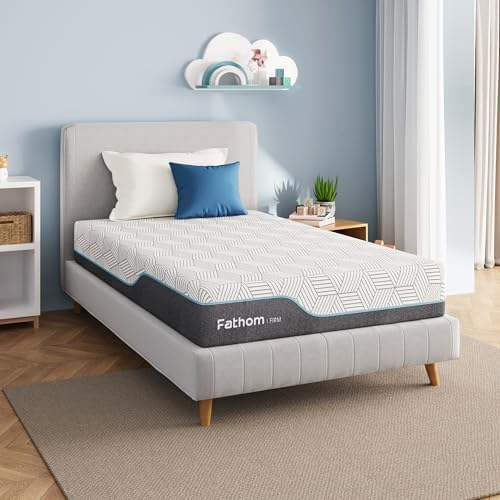
The FATHOM is an 8-inch, bed-in-a-box memory foam mattress built around a gel-infused foam that the brand calls AeroFusion. The foam is designed to contour to the body and adjust to pressure points, which gives it a supportive but cushioned feel. For a toddler, the main appeal is the balance. Many parents want a mattress that is firm enough to keep the spine supported but soft enough that a young child does not feel like they are sleeping on a board. This model aims for that middle ground.
Several features stand out. The cover is a geometric jacquard fabric with light gray graphene yarn borders, and it has a zipper so you can take it off for cleaning. The listing states that the mattress is made in the USA with CertiPUR-US foams and Oeko-Tex certified fabrics, and it is backed by a 10-year protection plan. The gel foam is described as breathable and designed to resist temperature sensitivity, which can matter for kids who run warm or kick off their blankets. The product also highlights motion isolation, which may help if your toddler shifts around at night or if you share a room and want less disturbance.
In everyday use, many owners appreciate how the foam fills in gaps between the body and the surface. That contouring can make the bed feel more finished than a thin coil mattress. The tradeoff is that memory foam can feel softer at first than the word “firm” suggests, especially when it has not fully expanded. The listing says to allow up to 72 hours, and buyers often note that patience during this step pays off. Some families also find that memory foam takes a little longer to settle into its full firmness, so it is worth giving it several nights before judging the feel.
Pros:
- Gel memory foam contours well and supports the spine for a balanced firm feel
- Removable zippered cover makes cleaning simpler
- CertiPUR-US and Oeko-Tex certifications are listed for materials
- The 10-year protection plan gives long-term peace of mind
Cons:
- Memory foam may feel softer than an extra firm surface, so it may not suit a child who needs a very hard base
Compared with the Linenspa and Naturepedic options in this list, the FATHOM offers a more modern foam feel and a taller profile. It is a strong choice if you want one mattress that feels supportive, looks finished, and comes with clear material claims. It is less of a fit if you prefer the traditional bounce of coils or the natural feel of cotton and wool.
Linenspa 6 Inch Innerspring Mattress: A Practical Firm Option for Growing Kids

The Linenspa is a 6-inch innerspring mattress with a Bonnell coil base, five inches of heavy gauge tempered steel coils, and a quilted cover over a comfort foam layer. It is labeled as firm and is positioned for back and stomach sleepers. The listing also calls it a good option for bunk beds, trundle beds, and as a transition bed for toddlers and teens. That last use is where it fits best. If your child is moving from a crib-sized sleep setup into a twin bed, this mattress offers a familiar, traditional feel at a lower profile.
The coil base is the main story here. Bonnell springs are a classic design, and they give a firmer, more even base than a thin foam pad. The quilted top adds a little softness so the surface does not feel harsh. Because the mattress is only 6 inches thick, it sits lower on the frame. That can be helpful for a small child who is getting in and out of bed, and it can be easier to handle when you are moving it up stairs or into a different room.
Buyers often mention that the setup is simple. The mattress arrives compressed and rolled, and the listing says to allow 24 to 72 hours for full expansion. Many owners appreciate that a basic coil mattress gives a clear sense of support without much guesswork. The limitation is that a 6-inch profile provides less cushioning than the 8-inch foam options. Some families may find that a thinner top layer does not hide the feel of the coils, especially for lighter children who may notice the firmness more than a heavier adult would.
Pros:
- Bonnell coil support provides a firm, traditional base
- The lower profile is easier to manage on a toddler bed or trundle
- Versatile enough for guest beds, bunk beds, and transition use
- Designed to be an affordable option for furnishing a child’s room
Cons:
- The 6-inch thickness offers less cushioning, and the coil feel may be more noticeable than with foam
Against the FATHOM, the Linenspa trades contouring and a thicker foam layer for a simpler, more budget-minded build. Against the Naturepedic, it uses synthetic comfort layers rather than natural fillings. It is a sensible choice for a child who needs a firm, dependable surface and for a family that wants to keep costs in check.
Naturepedic 2-in-1 Organic Kids Mattress: A Natural Materials Choice for Little Sleepers

The Naturepedic is a 2-in-1 kids mattress with 207 support coils, a waterproof side, and a quilted side. It is a 6-inch, twin trundle short mattress, which the listing gives as 38 by 71 by 6 inches. The shorter length is a useful detail for toddlers. It can suit a smaller room, a short frame, or a child who does not need a full-length twin. The mattress is built for families who want natural materials. The listing describes a 100% GOTS certified design, premium organic cotton filling over steel coils, and a construction that is free of harsh chemicals and adhesives.
The two-sided design is practical. The waterproof side gives you a surface that is easier to wipe clean during the years when accidents are more likely, and the quilted side offers a softer surface for everyday sleep. The listing also mentions that the mattress passes government flammability requirements and holds UL and GREENGUARD certifications for low chemical emissions. These details matter to parents who want clear, verifiable material information. The mattress is also described as handcrafted in the USA with domestic and imported components.
Many families who choose natural materials appreciate the breathable feel of the cotton over coils. Compared with foam, a coil and cotton build tends to feel firmer and more responsive. This can be a strong match for a toddler who likes a firm, stable surface. The drawback is that the mattress has a natural, less plush look and feel, and some sleepers may find the top less cushioned than a foam-topped option. Also, at the time of this writing, the listing shows the mattress as currently unavailable, so you may need to check back or confirm stock before planning around it.
Pros:
- Organic cotton filling over steel coils offers a firm, breathable build
- Reversible design includes a waterproof side and a quilted side
- Strong material certifications, including GOTS, UL, and GREENGUARD, are listed
- The shorter length suits smaller rooms and short toddler frames
Cons:
- The listing currently shows the mattress as unavailable, which may limit your options
Compared with the Linenspa, the Naturepedic is built with a stronger focus on natural materials and certifications, but it uses a similar coil foundation. Compared with the FATHOM, it offers a firmer, less cushioned surface and a different kind of cleanliness-focused design. It is an excellent pick for parents who want natural materials above everything else, and a good backup choice for families who want a short, firm twin.
SLEEP100 Extra Firm Hybrid Twin Mattress: Maximum Firmness With a Long Trial Period

The SLEEP100 is an extra firm hybrid twin mattress that combines individually wrapped pocket springs with gel memory foam layers and a cushioned Euro top. The listing describes a 7-layer construction and a 5-zone support system. The title lists the mattress at 14 inches, while the description refers to a 10-inch, 7-layer build. Because the listing contains conflicting height details, confirm the exact profile on the product page before you buy, especially if you are checking fit with a bed frame or bed rails.
The hybrid design aims to give you the best of both worlds. Individually wrapped springs move on their own, which can reduce motion transfer when one sleeper shifts. The gel foam provides a layer of pressure relief and contouring. The listing also highlights fiberglass-free materials and a 365-night home trial, which is a rare and useful safety net when you are choosing a mattress for a child. A long trial window gives you time to see how your toddler sleeps before making a final decision.
The main question for a toddler is whether an extra firm surface is needed. The 5-zone lumbar and shoulder support is designed with adult sleepers in mind, so much of its engineering may be more than a small child needs. Some parents prefer an extra firm bed for a young child, and this model delivers that. Others may find the hybrid build thicker and heavier than a toddler bed requires. The listing also shows the mattress as currently unavailable, which is worth checking before you plan a purchase.
Pros:
- Extra firm feel delivers a very solid sleep surface
- Individually wrapped pocket springs help limit motion transfer
- The 365-night home trial gives you time to test the mattress
- Fiberglass-free construction is noted in the listing
Cons:
- Conflicting height details in the listing and current unavailability may make planning harder
Compared with the FATHOM, the SLEEP100 offers a much firmer surface with a coil layer, which will feel different under a child’s body. Compared with the Linenspa, it is a more complex and possibly thicker build. It is a good option for families who want the firmest possible surface and value a long trial window, but it is less suited to parents who want a simple, lower-profile bed.
Opoiar Flippable Memory Foam Twin Mattress: Two Firmness Levels in One Bed

The Opoiar is an 8-inch memory foam twin mattress that is designed to be flipped. One side is described as extra firm and the other as medium firm, so you can choose the feel that suits your child. The mattress has a reversible, fiberglass-free cover with a soft white side and a sleek gray side. It is sold as a bed in a box, and the listing says it should expand to its full shape within 48 hours after unpacking.
The two-sided design is the main selling point. A child’s needs can change as they grow, and a mattress that offers two firmness levels can adapt over time. Many owners appreciate having a firmer option for active sleepers and a softer side for a gentler feel. The listing also notes CertiPUR-US and Oeko-Tex Standard 100 certifications for the foam and fabric, which gives you clear material information. The 8-inch height offers a comfortable amount of cushioning while keeping the bed at a reasonable height for a toddler.
In practical terms, you will want to test both sides before settling on one. The medium firm side may feel softer than the extra firm side, and you may need a few nights to decide which fits your child best. Some shoppers may also be less familiar with this brand than with larger names, so it is wise to review the warranty and return details on the product page before you order. The flippable design is useful, but it also means you should keep track of which side is facing up so your child gets a consistent feel.
Pros:
- Dual-sided design offers extra firm and medium firm options
- CertiPUR-US and Oeko-Tex Standard 100 certifications are listed
- Fiberglass-free reversible cover adds flexibility for changing needs
- The listed 48-hour expansion window is shorter than some competing options
Cons:
- The two sides may feel different enough that you need time to decide which one suits your child
Compared with the FATHOM, the Opoiar provides a similar memory foam feel with the added benefit of two firmness levels. Compared with the SLEEP100, it is a simpler foam build without coils. It is a strong option for families who want flexibility, certified materials, and a foam feel that can change as a child grows.
How to Choose the Best Firm Twin Mattress for Your Toddler
Choosing a firm twin mattress for a toddler involves more than picking the firmest option on the shelf. Your child is growing, and the right mattress should support healthy sleep habits, fit the bed you own, and hold up through years of use. The sections below cover the factors that matter most so you can compare the five picks in this guide with confidence.
Understanding Firmness and Support
Firmness is often the first thing parents look for, and for good reason. A firm surface helps keep a child’s spine aligned and gives a stable place to sleep. However, “firm” means different things across mattress types. A coil mattress feels firm because of its spring structure, while a memory foam mattress feels firm because of the density and shape of its foam layers. When you see the word “firm” on a listing, ask yourself what kind of feel it describes. A foam mattress may feel softer at first touch but still provide good support once it has expanded. An extra firm hybrid will feel very solid, which may suit some children and feel too hard for others. Think about your child’s current sleep position and whether they tend to sleep on their stomach, back, or side.
Choosing the Right Size and Fit
A twin mattress is a standard size, but the fit with your child’s bed matters a great deal. A twin is larger than a standard crib, so it is meant for a toddler bed transition, a twin frame, or a trundle. Measure your frame’s interior dimensions before you buy, and check whether the bed has rails or a low profile that could affect how tall a mattress you can use. The Naturepedic listing gives a shorter length of 71 inches, which can be helpful for smaller rooms or short frames. Always compare the listed dimensions with your frame so the mattress sits flat and does not leave gaps along the edges, which can be a safety concern for young children.
Thickness and Height
Mattress height affects comfort, support, and how easy the bed is to get into and out of. A 6-inch mattress, such as the Linenspa or Naturepedic, sits lower and can be easier for a small child to climb in and out of. An 8-inch mattress, such as the FATHOM or Opoiar, offers more cushioning and a more finished look. If you are using a bed with rails, consider how the mattress height works with the rail height. Some hybrid mattresses are thicker than they first appear, so check the listed profile carefully. When the listing gives conflicting measurements, as the SLEEP100 does, confirm the exact height with the seller before you commit.
Materials, Certifications, and Safety Considerations
Many parents want to know what a mattress is made of, and that is a reasonable concern. Look for clear material information, such as CertiPUR-US for foam, Oeko-Tex for fabrics, GOTS for organic materials, or UL and GREENGUARD for low emissions. These certifications do not replace a safe setup, but they give you a clearer picture of what you are sleeping on. Foam mattresses are often described as fiberglass-free, which can be a relevant detail if you prefer to avoid that material in a child’s room. Natural materials like organic cotton and steel coils appeal to some families for the same reason. Read the listing details closely and choose the level of material transparency that matters to your household.
Comfort Layers and Motion Isolation
Comfort layers shape how a mattress feels on top, while the core provides the base support. Memory foam conforms to the body and tends to reduce pressure points. Coil and hybrid designs offer more bounce and responsiveness. Motion isolation can matter if your toddler moves a lot at night or if you share the room and want less disturbance. Individually wrapped springs, as used in the SLEEP100, are designed to move independently, which can limit how much movement travels across the surface. For many toddlers, motion isolation is a nice extra rather than a must-have, so weigh it against firmness and budget.
Setup, Expansion, and Bed-in-a-Box Delivery
Several of the mattresses in this guide arrive compressed, rolled, and packed in a box. This makes them easier to carry into a home or up stairs, but it also means they need time to return to full shape. The FATHOM listing recommends up to 72 hours, the Linenspa listing suggests 24 to 72 hours, and the Opoiar listing gives 48 hours. Plan for this waiting period, and avoid placing bedding on the mattress until it has fully expanded. Opening the box promptly and placing the mattress in a warm, ventilated room can help it expand. A little patience at this stage often makes the difference between a mattress that feels right and one that seems too soft or uneven.
Durability, Warranty, and Trial Periods
A toddler mattress is a long-term purchase, because it may serve your child through several years of growth. Look for clear warranty terms and understand what they cover. The FATHOM listing mentions 10-year protection, and the SLEEP100 listing highlights a 365-night home trial. A trial period can be helpful when you are not sure how firm a mattress should feel for your child. Also consider cleaning needs. A removable cover, like the one on the FATHOM, can make upkeep easier, and a waterproof side, like the one on the Naturepedic, can be useful for families with young children who have occasional accidents.
Frequently Asked Questions
Is a firm twin mattress a good choice for a toddler?
A firm twin mattress can be a good choice for a toddler because it offers stable support and a flat, even surface. Firmness helps keep the body aligned during sleep, and it may feel more secure for a young child. That said, firm does not have to mean hard. Look for a mattress that supports the body without feeling like a board, and consider how your child sleeps before choosing a firmness level.
Can a twin mattress go in a crib?
No, a twin mattress is larger than a standard crib and should not be used in one. Twin mattresses are meant for a toddler bed transition, a twin frame, or a trundle. If you are still using a crib, look for a mattress made specifically for that crib size and follow the manufacturer’s guidance for fit and safety.
Should I choose memory foam or an innerspring mattress for my toddler?
Both options can work well, and the best choice depends on your priorities. Memory foam offers contouring and a cushioned feel, which some families find comfortable. Innerspring and hybrid designs provide a firmer, more responsive surface with a traditional bounce. If you want natural materials, a coil and cotton build may appeal to you. If you want a soft-but-supportive feel, a foam mattress may be a better match.
How long does a bed-in-a-box mattress take to expand?
Expansion times vary by model. The listings in this guide suggest anywhere from 24 to 72 hours, depending on the product. Open the box as soon as it arrives, place the mattress in a room with good airflow, and avoid putting bedding on it until it has fully expanded. Warm rooms may help the mattress expand more quickly, though you should still allow the full recommended time.
Do I need a mattress protector for a toddler’s bed?
A mattress protector is a practical addition for almost any child’s bed. It can help guard against spills, accidents, and everyday wear, and it makes cleaning easier. Choose a protector that fits your mattress size and that is comfortable for your child. If you choose a mattress with a waterproof side, such as the Naturepedic, you may still want a protector for extra coverage.
When should my toddler move from a crib to a twin bed?
There is no single right age for every child. Many families make the switch when their toddler begins climbing out of the crib, when a new sibling arrives, or when the crib is no longer the right fit for their child’s comfort. Pay attention to your child’s safety and readiness, and make sure the new bed has proper guardrails or a setup that suits your home. Consult your pediatrician if you have questions about the right time to transition.
Which mattress is best for toddlers who need a very firm surface?
The SLEEP100 is the most firmly described option in this list, with an extra firm build and a hybrid structure. The Opoiar also offers an extra firm side for families who want a firmer feel. If your child prefers a firm but still slightly cushioned surface, the FATHOM may be a better match. Choose based on how your child sleeps and how they respond to firmness over several nights.
Final Recommendation
For most families, the FATHOM 8 Inch Memory Foam Mattress is the best overall pick. It balances firm support with gentle contouring, uses a removable cover for easier cleaning, and includes clear material certifications and a 10-year protection plan. It suits parents who want a comfortable, supportive mattress that feels finished and modern.
If your priority is natural materials, the Naturepedic 2-in-1 Organic Kids Mattress is an excellent choice, though its current unavailability may affect your timing. Its shorter length and reversible design are strong features for toddler beds. For budget-minded families who want a simple, firm coil mattress for a transition bed, the Linenspa 6 Inch Innerspring Mattress is a practical option. The Opoiar offers a useful two-firmness design for families who want flexibility, while the SLEEP100 is the best fit for parents who want the firmest surface and a long trial window, as long as the height and availability details work for your setup.
Whichever mattress you choose, check the frame fit, confirm the height, allow time for expansion, and pick the feel that suits your child’s sleep habits. A thoughtful choice now can give your toddler a comfortable, supportive bed for years to come.