
Choosing a food-grade sealant for plastic takes more than matching the words on the tube to your project. The sealant must suit the plastic, reach a full cure, and be appropriate for the kind of food contact involved. The options below are RTV silicone products described for food-service or food-contact use. Their listed temperature ratings, colors, and package sizes differ, so check the product details and instructions before you buy.
Quick Comparison
| Product | Form and color | Notable listed details | Best fit |
|---|---|---|---|
| Sil-Bond Clear RTV Silicone Sealant, 10.3 oz | Tube, clear | Food-contact safe; listed for temperatures up to 350°F | Visible repairs and larger sealing jobs |
| Sil-Bond White RTV Silicone Sealant, 2.8 oz | Squeeze tube, white | NSF approval stated in the listing; listed for temperatures up to 350°F | Small jobs where white sealant suits the surface |
| Gordon Glass White Food Grade Silicone Sealant, 2.8 oz | Squeeze tube, white | One-part, moisture-curing RTV; listed for use on most plastics | Small repairs needing a flexible seal |
| Gordon Glass White Food Grade Silicone Sealant, 10 oz Cartridge | Cartridge, white | Flexible, waterproof, fast-curing; listing title describes six tubes | Repeated or larger food-service projects |
| Sil-Bond Clear RTV Silicone Sealant, 2-Pack | Two-pack listing, clear | Product title identifies it as food-grade NSF/FDA RTV silicone | Keeping an extra tube on hand |
Our Picks: Best Food Grade Sealant For Plastic reviews
1. Sil-Bond Clear RTV Silicone Sealant: Best All-Around Large Tube
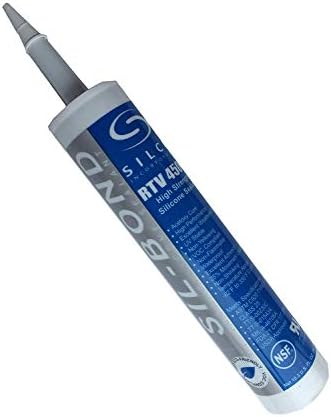
This clear 10.3-ounce RTV silicone is a practical choice when you need more sealant than a small squeeze tube provides. The listing describes it as food-contact safe, self-curing, weather-resistant, and suitable for sealing or making gaskets. It also lists a temperature rating of up to 350°F.
Clear silicone can be useful when a white bead would stand out, though it will not disappear on every surface. The listing says it bonds to most surfaces, but that is not a promise of reliable adhesion to every plastic. Plastic types and surface conditions vary, so confirm compatibility and test a small, inconspicuous area first.
The larger tube may suit a longer seam or several repairs. It may be less convenient for a tiny, occasional fix if you do not have a suitable way to dispense and store the tube. For any food-contact application, follow the product instructions and allow the sealant to cure fully before use.
Pros:
- Clear finish for projects where white sealant would be noticeable
- Larger 10.3-ounce tube than the small squeeze-tube options
- Listed for sealing and gasket-making
- Listed temperature rating of up to 350°F
Cons:
- Compatibility with a specific plastic should be confirmed before use
- The larger tube may be more than needed for a small repair
Verdict: Choose this Sil-Bond tube for a larger clear sealing job, provided the sealant is compatible with your plastic and intended food-contact conditions.
2. Sil-Bond White RTV Silicone: Best for Small White Repairs

This 2.8-ounce Sil-Bond tube is a compact option for modest repairs where white silicone works with the surrounding surface. Its listing states that it is NSF-approved and has a temperature rating of up to 350°F. The screw-on nozzle is a simple design feature that may help keep the opening covered between uses.
Compared with the larger clear Sil-Bond tube, this one gives you less material and a white finish. That can make sense for a small seam or touch-up, but it is not the best match for a visible area where clear sealant would blend in better. The product information does not identify specific plastic types, so check the label or manufacturer guidance for your material.
“Food grade” and an NSF claim do not by themselves answer every question about a particular repair. Check the applicable product documentation for the intended food-contact conditions, and do not use the item until the sealant has fully cured according to its instructions.
Pros:
- Small 2.8-ounce size for limited jobs
- White finish suits some white or light-colored surfaces
- Listing states NSF approval
- Listed temperature rating of up to 350°F
Cons:
- White may be conspicuous on darker or transparent plastic
- Listing does not specify which plastic types are compatible
Verdict: This is a sensible small-tube pick for a white repair when the product documentation confirms it suits your plastic and food-contact use.
3. Gordon Glass White Silicone Sealant: Best Small Tube for Flexible Seals

This Gordon Glass product is a 2.8-ounce, one-part RTV silicone that cures with moisture to form flexible silicone rubber. The listed materials include glass, metal, porcelain, ceramic, wood, and most plastics. Its description also highlights resistance to weathering, including ultraviolet exposure and freeze-thaw conditions.
The small squeeze tube is suited to a limited repair rather than a long run of sealant. Its flexibility may be useful where a rigid repair material would not suit the joint, but the listing does not give a temperature rating or identify particular plastic resins. Check the product information before using it on a food-contact surface, and allow a full cure as directed.
Compared with the Sil-Bond white tube, this product provides more detail about its curing type and listed material range, while the Sil-Bond listing gives a stated temperature rating and NSF claim. Those differences make the product documentation especially important when temperature or a specific certification is central to your choice.
Pros:
- One-part, moisture-curing RTV formula
- Listed as suitable for most plastics and several other materials
- Cures to flexible silicone rubber
- Small tube works for limited repairs
Cons:
- White color may not suit clear or dark plastic
- Listing does not provide a temperature rating or name specific plastic types
Verdict: Consider this Gordon Glass tube for a small flexible seal when the white color fits and the manufacturer confirms it is suitable for your application.
4. Gordon Glass White Cartridge: Best for Larger or Repeated Jobs

This Gordon Glass sealant is offered in a cartridge format, which can be useful when applying a longer bead or working through more than one project. The description calls it flexible, waterproof, and fast-curing, and lists plastics alongside steel, glass, aluminum, ceramics, marble, porcelain, wood, and PVC.
The package information needs a careful look: the product title says six tubes, while the description refers to a 10.2-fluid-ounce cartridge. Confirm the quantity and package format on the listing before ordering, especially if you need a particular amount. A cartridge is also less convenient than a small squeeze tube for a tiny spot repair and may require an appropriate applicator.
The broad material list is useful, but it does not establish compatibility with every plastic or every food-contact situation. Check the manufacturer’s instructions for the exact substrate, curing process, and intended use. As with the other options, do not put the repaired item back into service until the sealant is fully cured.
Pros:
- Cartridge format may suit longer beads or repeated work
- Description lists plastics and PVC among compatible materials
- Described as flexible and waterproof
- White finish for repairs where that color is appropriate
Cons:
- Package quantity is described differently in the title and product details
- Less convenient than a small squeeze tube for a tiny repair
Verdict: This is the option to investigate for a larger or repeated job, but verify the package contents and confirm suitability for your plastic before purchasing.
5. Sil-Bond Clear RTV Silicone 2-Pack: Best for Keeping a Spare

This listing is titled as a two-pack of clear Sil-Bond food-grade NSF/FDA RTV silicone sealant. A two-pack can be convenient if you have multiple projects or want a spare, while the clear color may be preferable to white on some surfaces. The supplied product details do not give a separate description of the formula or confirm the quantity in each tube.
Because the listing provides limited specifications, compare its package details with the single 10.3-ounce Sil-Bond tube before choosing. Do not assume the pack has the same size, temperature rating, or application details unless the product page or manufacturer confirms them. The product title’s food-grade and NSF/FDA wording should also be checked against the documentation for your particular food-contact use.
This option may be less compelling if you only need a small repair and do not need a spare. For a more clearly documented choice, the single Sil-Bond listing specifies a 10.3-ounce tube, a 350°F rating, and sealing or gasket use.
Pros:
- Clear color may suit projects where white sealant would show
- Two-pack format may be useful for multiple jobs or a spare
- Product title identifies it as food-grade NSF/FDA RTV silicone
Cons:
- Supplied description does not specify tube size or detailed use instructions
- Package and application details should be verified before ordering
Verdict: Choose this two-pack if you want clear sealant in a multi-pack and can confirm the package size and application details from the listing.
How to Choose a Food-Grade Sealant for Plastic
Confirm the plastic type
“Plastic” covers many materials, and a sealant that adheres to one type may not bond well to another. Identify the plastic if possible, then check the sealant’s product instructions or contact the manufacturer. Descriptions such as “most plastics” are broad guidance, not a guarantee for every plastic item. Test a small, hidden area when appropriate.
Check what food contact the product is meant for
Food-contact suitability can depend on how the repaired surface will be used. Direct contact, indirect contact, and contact with hot food may call for different documentation. Look for the product’s specific certification or compliance information and confirm that it applies to your use. Do not rely on the phrase “food grade” alone if the application is safety-critical.
Allow for the full cure
RTV silicone cures at room temperature, and the Gordon Glass small tube is specifically described as moisture-curing. Follow the label for application conditions and cure time. A surface that feels dry may not be fully cured throughout. Keep the item out of service until the manufacturer’s instructions say the sealant is ready for its intended use.
Match the color and finish to the repair
Clear sealant can be a better visual match on some transparent or colored surfaces, while white may blend into light-colored equipment. Neither color is invisible in every situation. Consider where the bead will sit and whether appearance matters, but treat adhesion and food-contact suitability as more important than color.
Choose the right package size and applicator
A small squeeze tube is easier to manage for a short seam or occasional repair. A larger tube or cartridge may make more sense for a longer bead or repeated jobs, but check whether you have the right applicator and a plan for storing any unused product. For the Gordon Glass cartridge listing, confirm the package quantity because its title and description present different size information.
Consider temperature and conditions after curing
Only some supplied listings state a temperature rating: the Sil-Bond clear and white products are listed for up to 350°F. Do not apply that rating to the other products, and do not assume it covers every type of heat exposure. Check the manufacturer’s limits for your use, including any contact with hot surfaces, cleaning methods, or outdoor conditions.
Prepare the surface and apply carefully
Follow the product’s instructions for cleaning and preparing the surfaces. Apply a controlled bead and avoid putting the repaired item back into use before the sealant has fully cured. If the repair is structural, involves a pressurized container, or could create a food-safety risk if it fails, consult the item’s manufacturer or a qualified professional rather than relying on a general-purpose sealant.
Frequently Asked Questions
Can I use any food-grade silicone sealant on plastic?
No. Food-contact claims do not mean a sealant will bond to every plastic. Check the exact product guidance for your plastic type and test a small area when suitable.
Is clear or white sealant better for plastic?
It depends on the surface. Clear may be less noticeable on some transparent or colored materials, while white may suit light-colored surfaces. Neither finish guarantees a seamless appearance.
Does “food grade” mean the sealant can touch any food?
Not necessarily. The appropriate use can depend on the product’s documentation and the type and conditions of contact. Confirm the applicable certification or compliance details with the manufacturer.
How long should I wait before using a repaired item?
Follow the cure instructions on the specific product. The supplied listings do not provide a complete cure schedule for every option, and the time needed can depend on application conditions. Do not use the item until the sealant is fully cured as directed.
Which option is best for a small repair?
The 2.8-ounce Sil-Bond or Gordon Glass squeeze tubes are the most compact choices in this group. Pick between them based on the color, listed specifications, plastic compatibility, and food-contact documentation you need.
Which product is best for a larger job?
The 10.3-ounce Sil-Bond tube and the Gordon Glass cartridge listing are the larger-format options. The Sil-Bond listing gives a clear 10.3-ounce size and temperature rating; verify the Gordon Glass package contents before ordering.
Final Recommendation
For a general-purpose clear option with the most clearly stated details in this selection, the Sil-Bond 10.3-ounce RTV silicone is the strongest starting point: its listing describes food-contact use, sealing and gasket applications, and a temperature rating of up to 350°F. If you only need a small white repair, compare the two 2.8-ounce tubes and choose based on the product documentation for your plastic and intended use. In every case, confirm compatibility, follow the curing instructions, and verify that the sealant’s food-contact guidance matches your application.