
Choosing a food-safe sealant for plastic takes more than looking for the words “food grade” on a label. You also need a sealant that can bond to your specific plastic, suit the temperature and moisture around the repair, and be used under the right food-contact conditions. These five RTV silicone options vary in color, tube size, and stated features. Check the manufacturer’s instructions for your exact application, and let the sealant fully cure before use.
| Product | Color | Size | Standout feature |
|---|---|---|---|
| Sil-Bond Clear Food Grade RTV Silicone | Clear | 10.3 oz | Described as food-contact safe and rated to 350°F |
| Sil-Bond White Food Grade RTV Silicone | White | 2.8 oz | NSF-approved description and screw-on nozzle |
| Silco Red High-Temp RTV Silicone | Red | 10.3 oz | Large tube in a high-temperature version |
| Sil-Bond Clear Food Grade RTV Silicone, 2-Pack | Clear | Two 10.3 oz tubes | Two-tube pack for larger or repeat jobs |
| Gordon Glass White Food Grade Silicone Sealant | White | 2.8 oz | Described as adhering to most plastics and other nonporous materials |
Our Picks: Best Food Safe Sealant For Plastic reviews
1. Sil-Bond Clear RTV Silicone for Larger, Less-Visible Seals
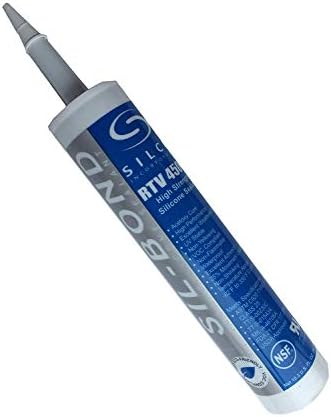
This clear, 10.3-ounce RTV silicone is a practical option when you need more material than a small squeeze tube provides. The supplied description identifies it as food-contact safe, rated to 350°F, weather resistant, and suitable for sealing or making gaskets. Its clear color can also be less noticeable than white or red silicone on some surfaces.
The product is described as bonding to most surfaces, but that does not guarantee a strong bond to every type of plastic. Plastic formulations and surface finishes vary, so check the sealant instructions for compatibility before applying it to a food container or other plastic part. A test on an inconspicuous area can help you spot adhesion or appearance problems.
The larger tube suits broader seams, multiple repairs, or gasket-making jobs. It may be more material than you need for a small fix, and the listing does not specify a special applicator or nozzle feature. Follow the product directions for surface preparation, curing time, and permitted food-contact use.
Pros:
- Clear finish for a less noticeable seal
- 10.3-ounce tube offers more material for larger jobs
- Described as food-contact safe and rated to 350°F
- Suitable for sealing and creating gaskets, according to the description
Cons:
- Large tube may be inconvenient for a small repair
- Plastic compatibility still needs to be confirmed for your specific part
Verdict: Choose this Sil-Bond option if you want a clear, larger-format sealant and its stated food-contact conditions match your intended use.
2. Sil-Bond White RTV Silicone in a Compact Squeeze Tube

This 2.8-ounce white sealant is the smaller-format choice in the Sil-Bond range. The listing describes it as NSF approved and gives it a 350°F temperature rating. A screw-on nozzle is included, which may make it easier to manage between applications than a larger cartridge, though careful application is still important around narrow seams.
White silicone can blend well with light-colored plastic, but it will stand out on clear or dark parts. The smaller amount is well suited to a modest repair or a limited bead of sealant. For longer seams or repeated projects, one of the larger tubes may be a better fit.
The product information does not name specific plastic types or explain the scope of its food-contact approval. Confirm the label and manufacturer instructions for your material and use case instead of assuming that an NSF claim covers every food-contact situation. Clean, dry surfaces and the full specified cure are also important parts of a sound repair.
Pros:
- Compact 2.8-ounce tube for smaller jobs
- White color may suit light-colored parts
- Listing describes NSF approval and a 350°F rating
- Screw-on nozzle is included
Cons:
- White may be conspicuous on clear or dark plastic
- Small tube is less suited to large or repeated jobs
Verdict: This is a sensible pick for a small repair where white silicone is acceptable and the product’s instructions cover your food-contact application.
3. Silco Red RTV Silicone for High-Temperature Applications

This red RTV silicone comes in a 10.3-ounce tube and is identified in the product title as a food-grade, NSF/FDA RTV sealant in a high-temperature version. The supplied description confirms the red color and approximate tube size, but it does not provide a specific temperature limit. Check the product label or manufacturer information if you need a precise operating temperature.
Red sealant is easy to spot, which can be useful where a visible bead helps with inspection, but it is not a discreet choice for most plastic repairs. Its larger tube may suit a longer seam or a project that uses more material. As with the other options, do not assume the product bonds to every plastic or is approved for every kind of food contact.
This option is most relevant when the red color and high-temperature positioning fit the job. Compared with the clear Sil-Bond sealant, it is less likely to blend in; compared with the small white tubes, it provides a larger amount. Since the product details supplied here are brief, verify temperature, cure, and use restrictions before buying.
Pros:
- Large 10.3-ounce tube
- Red color is easy to see during inspection
- Product title identifies it as a high-temperature version
- RTV silicone format is intended for sealing applications
Cons:
- Red may be visually prominent on plastic
- Supplied description does not state an exact temperature rating
Verdict: Consider this Silco sealant when a visible red bead and a high-temperature version suit your needs, but confirm its exact rating and food-contact instructions first.
4. Sil-Bond Clear RTV Silicone Two-Pack for Repeat Jobs

This listing is for a two-pack of clear Sil-Bond RTV silicone, with each tube identified as 10.3 ounces. The product title describes it as food-grade and NSF/FDA RTV silicone. Compared with buying a single large tube, the two-pack is better suited to multiple repairs or jobs that need a substantial supply.
Clear silicone can be a helpful choice when you want to avoid a white or red seal line, although it may still be visible depending on the surface and bead thickness. The supplied listing does not give additional details about temperature, cure time, or supported plastic types. Check the packaging and manufacturer guidance for those specifications before using it.
Having two tubes is useful only if you can store and use them according to the package directions. For one small repair, this pack may be more product than necessary. For more extensive work, it offers a larger supply than either of the 2.8-ounce options in this guide.
Pros:
- Two clear tubes, each listed as 10.3 ounces
- Useful for several repairs or larger projects
- Clear color may be less noticeable than white or red
- Product title identifies it as food-grade and NSF/FDA RTV silicone
Cons:
- May be excessive for a single small repair
- Supplied listing does not specify temperature or plastic compatibility
Verdict: Pick the two-pack if you have repeat or larger jobs and have confirmed that the sealant’s full specifications fit your intended use.
5. Gordon Glass White Silicone for Small Plastic Repairs

This 2.8-ounce white squeeze tube contains a one-part, moisture-curing RTV silicone. The supplied product details say it cures to a flexible silicone rubber and adheres to glass, metal, porcelain, ceramic, wood, most plastics, and other nonporous materials. That specific mention of most plastics makes it a relevant option for small plastic sealing jobs, though it is not a promise of compatibility with every plastic type.
The description also notes resistance to weathering, including ozone, ultraviolet radiation, freeze-thaw conditions, and airborne chemicals. Those properties may matter for a seal exposed to changing conditions, but the listing does not give a temperature rating. Its white color and small tube are best suited to limited repairs where a white bead and modest supply make sense.
Compared with the Sil-Bond 2.8-ounce tube, this option provides more detail about the range of materials it is intended to adhere to, while the Sil-Bond listing specifies NSF approval and a 350°F rating. If those specific claims matter for your job, compare the packaging and manufacturer instructions before choosing.
Pros:
- Product details specifically mention adhesion to most plastics
- Flexible RTV silicone after curing
- Described as resistant to several forms of weathering
- Small squeeze tube suits limited repairs
Cons:
- White color may not suit clear or dark plastic
- Supplied description does not state a temperature rating
Verdict: Choose Gordon Glass for a small repair if its listed material compatibility and food-contact instructions match your plastic and use conditions.
How to Choose a Food-Safe Sealant for Plastic
Confirm the Food-Contact Conditions
“Food grade,” “food safe,” and certification statements are not a substitute for checking the product’s instructions. Approval or suitability can depend on how the sealant is used, what it contacts, and whether it has fully cured. Read the label and manufacturer guidance to confirm that your exact application is covered. If the instructions do not clearly address your use, contact the manufacturer before applying it.
Check Compatibility With Your Plastic
Plastic is not one single material, and a sealant that adheres to one type may not hold well on another. Look for compatibility information for the specific plastic you have, and test a small, inconspicuous area when appropriate. A label that says “most plastics” still does not guarantee a bond to every plastic formulation, coating, or surface finish.
Match the Sealant to the Job Size
A 2.8-ounce tube is a practical size for a small repair, while a 10.3-ounce tube offers more material for a longer seam, gasket, or repeated job. A two-pack makes the most sense when you expect to use both tubes. Consider how much sealant you need and how the product should be stored after opening.
Choose a Color That Works for the Surface
Clear silicone may be less noticeable on some parts, while white can suit light-colored surfaces. Red stands out and may be easier to see during inspection, but it is not a discreet finish. The final appearance can also depend on the size and placement of the bead.
Check Temperature and Exposure Limits
Use the exact temperature rating and exposure instructions on the product label, not a general assumption about RTV silicone. One option here is described as rated to 350°F, while the red product is called high temperature without a specific limit in the supplied details. If heat, weather, moisture, or cleaning products will affect the seal, confirm that the product is intended for those conditions.
Allow Proper Preparation and Cure Time
Follow the directions for cleaning and drying the surface, applying the bead, and allowing the silicone to cure. Do not put a repaired item back into food-contact use until the manufacturer’s required cure is complete. Cutting cure time short can compromise the seal and may make the product unsuitable for the intended use.
Frequently Asked Questions
Can food-safe silicone sealant be used on any plastic?
No. Compatibility varies by plastic type, surface, and product. Check the sealant’s instructions for your specific material, and test a discreet area if suitable. Do not assume that a general claim about bonding to most surfaces covers every plastic.
Does “food grade” mean the sealant is safe for every food-contact use?
No. The permitted use can depend on the product’s certification or instructions, the type of contact, and proper curing. Verify that the manufacturer’s guidance covers your exact application before use.
Should I let the sealant cure before it touches food?
Yes. Follow the product’s stated cure instructions and do not use the repaired item for food contact until the required cure is complete. The supplied product details do not give a single cure time that applies to all five options.
Which of these options is best for a small repair?
The two 2.8-ounce squeeze tubes are more compact choices: the Sil-Bond white tube has a stated 350°F rating and screw-on nozzle, while the Gordon Glass description specifically mentions adhesion to most plastics. Choose based on the plastic, color, temperature, and food-contact instructions for your job.
Which option is best for a longer seam or multiple projects?
The 10.3-ounce tubes provide more material than the 2.8-ounce options. The Sil-Bond two-pack offers two such tubes, so it is most appropriate when you expect to use the additional supply.
Is clear silicone always invisible on plastic?
No. Clear silicone may be less noticeable than white or red, but it can still show depending on the plastic, the bead size, and the way light hits the surface. Test the appearance on an inconspicuous area when possible.
Final Recommendation
For a general-purpose shortlist, the Sil-Bond clear 10.3-ounce tube stands out for its stated 350°F rating, food-contact-safe description, and larger size. For a small repair, consider one of the 2.8-ounce options, comparing the Sil-Bond’s listed NSF approval and temperature rating with Gordon Glass’s stated adhesion to most plastics. The best choice is the one whose material compatibility, food-contact instructions, color, and temperature limits match your exact repair.