
Heat from toasters, air fryers, and other countertop appliances can damage nearby cabinet finishes. A heat shield can add a barrier, but the right choice depends on where the heat is coming from, how much area you need to cover, and whether an adhesive-backed mat suits your cabinet surface. Below, we compare five options and explain what to check before installing one.
Quick Comparison
| Product | Best for | Format and stated features |
|---|---|---|
| ToasterShield MAX | Targeted cabinet protection from countertop appliances | Purpose-made kitchen shield; claims protection up to 3200°F |
| IGNISGUARD 12" x 24" Heat Shield Mat | Cut-to-fit protection for a defined area | Adhesive-backed aluminized fiberglass; 95% radiant-heat reflection claim |
| Qintisoy 12" x 24" Adhesive-Backed Heat Shield | DIY cabinet or appliance barriers | Aluminized fiberglass; cut-to-size sheet with adhesive backing |
| MAUTEMOWING Titanium Thermal Barrier | Reusable barrier for varied household projects | Two-layer basalt material; offered in more than one size |
| ToasterShield Under-Cabinet Heat Protection | Low-profile protection above a toaster | Self-adhesive shield that can be cut to shape |
Our Picks: Best Heat Shield For Kitchen Cabinets reviews
ToasterShield MAX: A Purpose-Made Kitchen Cabinet Shield
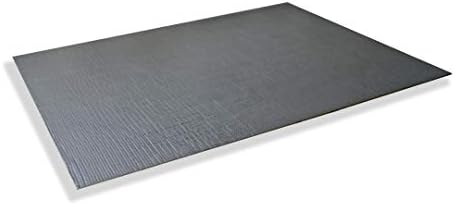
ToasterShield MAX is designed to help protect kitchen cabinets from heat and scorch marks caused by appliances such as toasters and air fryers. Its stated purpose is more specific to kitchen use than the automotive-style thermal mats in this comparison.
The product description says it helps prevent yellowing, bubbling finishes, dry wood, and burn rings. It also claims protection up to 3200°F. Treat that figure as a product claim, not a reason to ignore an appliance’s required clearances or operating instructions. The supplied information does not specify the shield’s dimensions, material, or installation method, so check the listing to make sure it fits your cabinet and setup.
This could suit someone looking for a kitchen-focused option rather than trimming a general-purpose mat. The main drawback is that key fit and installation details are not included in the available product information. Availability was also not confirmed in the supplied data, so check the listing before relying on it for a project.
Pros:
- Made for protecting kitchen cabinets from appliance heat and scorch marks
- Specifically mentions toasters and air fryers
- Claims protection up to 3200°F
Cons:
- Dimensions, material, and installation details are not specified in the supplied information
- Availability should be checked before purchase
Verdict: Choose ToasterShield MAX if you want a kitchen-specific shield and can confirm that its size and installation method suit your cabinet.
IGNISGUARD 12" x 24" Mat: Rolled, Adhesive-Backed Coverage

IGNISGUARD is a 12-by-24-inch aluminized fiberglass sheet with an adhesive backing. It is intended to be cut to fit, making it a flexible option if you need to cover a particular patch of cabinet or another surface near a heat source. The product is shipped rolled, which is intended to avoid the creases that can come with folded mats.
The manufacturer describes the sheet as reflecting up to 95% of radiant heat and handling constant temperatures up to 1022°F. Its adhesive is stated to withstand continuous exposure up to 464°F. Those figures refer to different parts of the product and should not be treated as a guarantee for every installation. Measure first, check that your surface is suitable for adhesive, and follow the product’s instructions.
Its defined size and cut-to-fit design make it a practical choice for a small, straightforward installation. Compared with the ToasterShield options, it offers more sizing flexibility but is a general-purpose thermal barrier rather than a dedicated under-cabinet product. A 12-by-24-inch sheet may not cover a large area, and an adhesive-backed mat is not the right fit for every finish.
Pros:
- 12-by-24-inch sheet can be trimmed with scissors
- Rolled shipping is intended to help it arrive without folds
- Aluminized fiberglass construction with stated radiant-heat reflection
- Adhesive backing offers a peel-and-stick installation approach
Cons:
- One sheet may be too small for broader coverage
- Adhesive temperature limits and surface compatibility need consideration
Verdict: Pick IGNISGUARD if you need a small, trimmable adhesive mat and have confirmed that its size and adhesive are appropriate for your surface.
Qintisoy Adhesive-Backed Sheet: A Versatile Cut-to-Size Barrier

This 12-by-24-inch Qintisoy sheet uses aluminized fiberglass with a woven backing and a self-adhesive layer. It is marketed for several uses, including a barrier behind grills, protection for refrigerators near stoves, and cabinet lining over toaster ovens. You can trim it to suit a smaller or oddly shaped area.
The product description claims up to 95% radiant-heat reflection, continuous temperatures up to 1000°F, and radiant heat up to 2200°F. These are product specifications, not a substitute for checking installation instructions or the safe operating clearances for your appliance. The supplied information does not state a specific temperature limit for the adhesive, so confirm the listing details if the bond will be exposed to heat.
Compared with IGNISGUARD, Qintisoy also offers a compact adhesive-backed format and a cut-to-fit design, but its stated temperature figures differ. Neither set of figures alone determines which sheet is right for your kitchen; fit, surface compatibility, and the heat pattern matter too. It may suit a DIY project where a small, flexible sheet is easier to position than a larger shield.
Pros:
- 12-by-24-inch sheet can be cut to fit
- Adhesive-backed design is intended for peel-and-stick installation
- Product description includes kitchen applications such as cabinets over toaster ovens
- Aluminized fiberglass and woven backing
Cons:
- Small sheet size may limit coverage
- Adhesive temperature information is not specified in the supplied description
Verdict: Qintisoy is a reasonable option for a small DIY barrier when its dimensions and adhesive-backed installation match your cabinet setup.
MAUTEMOWING Titanium Thermal Barrier: A Reusable Basalt Mat

Despite “Titanium” in the product title, the description identifies the material as two layers of basalt. The mat is marketed as a thermal barrier for uses that include cabinets near ovens, fireplaces, and vehicle components. It is also described as wipe-clean with a damp towel and reusable.
The product claims an insulation temperature of up to 2500°F and lists two size options, including 12-by-24 inches and 12-by-47 inches. Those higher-level figures should not be read as an assurance that every surface, edge, or installation will be protected at that temperature. The description does not specify an adhesive backing, so plan how the mat will be secured without assuming it can be stuck directly to a cabinet.
This may appeal to shoppers who prefer a reusable barrier or need a longer sheet for a larger project. For a simple under-cabinet installation, however, the lack of stated adhesive details may make fitting it less straightforward than the peel-and-stick options. Confirm the dimensions and intended installation method before choosing it for a cabinet.
Pros:
- Basalt construction is described as two layers
- Available in two stated sizes, including a longer option
- Product description says it can be wiped clean and reused
- Listed for cabinet use near ovens as well as other projects
Cons:
- Adhesive or other mounting details are not specified in the supplied information
- Its broad range of uses means you should confirm fit and installation for cabinet use
Verdict: Consider this mat if you want a reusable barrier and can provide a secure, suitable installation for your cabinet layout.
ToasterShield Under-Cabinet Shield: A Low-Profile Toaster Option

This ToasterShield model is designed to sit under a cabinet above a toaster. Its description highlights a self-adhesive backing, quick installation, and a low profile intended to stay concealed. It can also be cut to shape for under-cabinet lighting, according to the product information.
The product is described as helping prevent kitchen fires caused by a toaster, and it claims protection up to 3200°F. A shield should not be treated as permission to operate an appliance contrary to its instructions or required clearances. Keep the toaster positioned and used as directed, and check the product listing for the shield’s exact dimensions before installing it.
Its purpose-specific design and stated adhesive backing make it more straightforward for an under-cabinet toaster setup than a general-purpose mat. On the other hand, the supplied description does not include dimensions or material details. Availability was not confirmed in the supplied data, so check the listing before planning around this product.
Pros:
- Designed specifically for under-cabinet use above a toaster
- Self-adhesive backing is described as quick to install
- Low-profile design is intended to be concealed
- Can be cut to shape, including for under-cabinet lighting
Cons:
- Exact dimensions and material are not specified in the supplied information
- Availability should be checked before purchase
Verdict: This is the most directly targeted option for a toaster under a cabinet, provided the listed dimensions fit your space and the product is available.
How to Choose a Heat Shield for Kitchen Cabinets
Start with the heat source and appliance instructions
Identify whether the concern is rising heat from a toaster or air fryer, or radiant heat coming from a nearby stove or oven. Check the appliance manual for placement rules and required clearances first. A shield is an added layer of protection, not a replacement for those directions or a reason to operate an appliance in an unsafe location.
Measure the area you need to protect
Measure the cabinet surface that faces the heat source, then compare it with the product’s listed dimensions. A 12-by-24-inch sheet may work for a limited area but may not cover a broad cabinet panel. For a purpose-made shield, confirm its exact size before ordering, since the product information here does not provide dimensions for either ToasterShield model.
Choose a format that suits your surface
Adhesive-backed mats can be convenient when the cabinet surface is smooth and suitable for the product’s adhesive. However, heat and surface finishes can affect how an adhesive performs. Check the manufacturer’s instructions for compatible surfaces and temperature limits before sticking a mat to painted, laminated, or finished cabinetry. A non-adhesive mat may need a different secure mounting method.
Understand what temperature claims mean
Product descriptions may give separate figures for radiant heat, continuous temperature, the material, or the adhesive. These numbers are not interchangeable and do not prove that a complete installation is safe at every stated temperature. Look for clear information about which component a figure applies to, and use the product only as directed.
Consider coverage, trimming, and edges
A cut-to-fit sheet can help with unusual shapes or small areas, but cutting it does not increase its coverage. Plan where the edges will land and whether the whole area exposed to heat will be protected. If the product is meant to arrive rolled or flat, follow its installation directions so it sits correctly instead of leaving loose or raised sections.
Check the installation and maintenance details
Before buying, confirm whether the shield sticks on, needs another mounting method, or can be removed and reused. Also check how it should be cleaned and whether the product is intended for the specific location you have in mind. If a listing does not explain the fit or installation clearly, contact the seller or choose an option with details that match your project.
Frequently Asked Questions
Can a heat shield prevent all cabinet heat damage?
No shield can promise protection in every setup. Results depend on the appliance, distance from the cabinet, installation, and the surface being protected. Follow the appliance’s instructions and use the shield only as directed.
Can I use an automotive heat shield above a toaster?
Some general-purpose mats are marketed for both household and automotive uses, but that does not automatically make every mat suitable for every kitchen setup. Check the product’s intended use, adhesive limits, size, and installation directions before placing it near a countertop appliance.
Is a higher temperature claim always better?
Not necessarily. Temperature figures may describe different parts of a product or different types of heat exposure. Compare the full specifications, including any adhesive limit, rather than choosing by the largest number alone.
Should I choose an adhesive-backed or reusable mat?
An adhesive-backed sheet may be convenient for a clean, compatible surface and a defined installation. A reusable mat may suit projects where you do not want a permanent adhesive bond, but it still needs a safe, secure way to stay in place. Check the product instructions and your cabinet material before deciding.
Can I cut a heat shield to fit?
The IGNISGUARD and Qintisoy product descriptions say their sheets can be trimmed with scissors, and the ToasterShield Under-Cabinet description says it can be cut to shape. Follow each product’s own cutting directions and make sure the final piece still covers the area you need to protect.
Do these shields let me place an appliance closer to a cabinet?
Do not assume that they do. Keep the clearances and placement required by the appliance manufacturer, even when a shield is installed. If the manual does not permit the location, use a different setup.
Final Recommendation
For a toaster directly beneath a cabinet, the ToasterShield Under-Cabinet model is the most purpose-specific choice if its dimensions fit and it is available. For a cut-to-size adhesive sheet, IGNISGUARD and Qintisoy offer defined 12-by-24-inch formats, while the MAUTEMOWING mat may suit shoppers who want a reusable option and can arrange a secure installation. Measure carefully, verify the product’s instructions, and keep appliance clearances in place regardless of which shield you choose.