
If you are shopping for a mattress cover for a hospital bed, you need more than a basic waterproof sheet. The right cover should fit your bed’s mattress size, stay in place when the bed head or foot is raised, resist leaks, and feel comfortable against the skin for long hours. This guide looks at three popular options, explains how each one works, and helps you decide which fits your needs. Along the way, you will learn what to check before you buy so you do not end up with a cover that slides off, bunches up, or traps too much heat.
Quick Comparison Table
| Product | Style | Listed Size | Best For |
|---|---|---|---|
| VOPHIA Waterproof Hospital Bed Sheet Mattress Cover | Fitted sheet with waterproof backing | 36″ x 80″ x 9″ | Everyday comfort and easy laundering |
| JQCOVEI Hospital Bed Mattress Protector Cover Waterproof | Fitted sheet with waterproof backing | 36″ x 80″ x 14″ | Deeper mattresses and a snug fit |
| DMI Twin XL Zip Mattress Cover, Waterproof and Washable | Full zippered encasement | 39″ x 80″ x 12″ | Full mattress encasement and dorm or home use |
Our Picks: Best Mattress Cover For Hospital Bed reviews
VOPHIA Waterproof Hospital Bed Sheet Mattress Cover for Everyday Protection
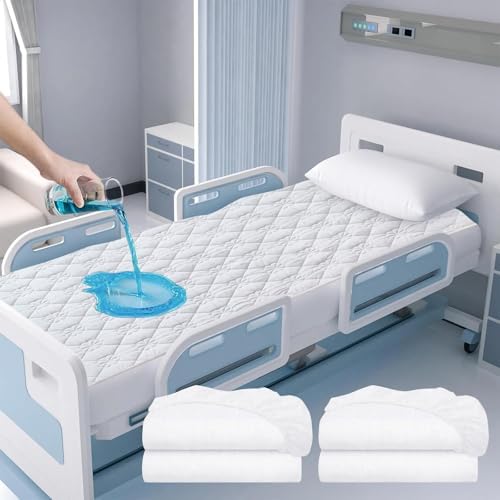
This cover works like a fitted sheet with a waterproof layer hidden underneath. The top surface is a soft microfiber, and the bottom is a high-density TPU backing that the listing describes as 100% waterproof and leak-proof. That combination matters in a care setting. You get a surface that feels like regular bedding, while the backing stops fluids from reaching the mattress. The listing says it is designed for incontinence, postpartum care, and accidental spills, which covers a wide range of everyday situations.
The listed size is 36 by 80 inches with a 9-inch depth. That suits many standard hospital mattresses, but the shallower pocket means you should measure your mattress thickness before you order. If your mattress is thicker than about nine inches, the corners may pull loose over time. The elastic edges are meant to hold the cover snugly, and many owners appreciate that the sheet stays put during normal sleeping and repositioning. In everyday use, a fitted design like this is usually easier to change than a zippered encasement, which is a real advantage for caregivers who handle linens several times a week.
Laundering is straightforward. The product is labeled as machine washable and quick-drying, and the fabric is described as fade-resistant and wrinkle-free. Those features save time when you need a fresh sheet on short notice. Some users report that the fabric feels softer after several washes, which suggests that a gentle cycle and low heat will help it last. Because the backing is waterproof, avoid harsh bleach or high dryer temperatures, which can wear down coatings over time.
Compared with the other two choices, this option offers the most balanced mix of comfort and protection for daily use. It is not the deepest cover on this list, and it is not a full encasement, so it does not protect the sides and top of the mattress. For many households, though, a waterproof fitted sheet is the most practical setup.
Pros:
- Soft microfiber top surface that feels closer to standard bedding
- Waterproof TPU backing designed for incontinence and spill protection
- Easy to put on and remove compared with zippered covers
- Machine washable and quick-drying for frequent changes
Cons:
- The 9-inch depth may not fit thicker mattresses securely
- Protection covers only the top surface, not the full mattress
Verdict: This is a strong choice if you want a comfortable, easy-to-change waterproof sheet for a standard hospital mattress that is no thicker than about nine inches. It is a good everyday pick for caregivers who value comfort and simple laundering.
JQCOVEI Hospital Bed Mattress Protector With a Deeper Fit

This cover shares the same basic design as the first pick: a microfiber top with a TPU waterproof backing. The main difference is the depth. At 14 inches, the pocket is significantly deeper, which makes it a better match for thicker mattresses, layered pressure-relief toppers, or beds where the mattress sits higher off the frame. A deeper pocket also reduces the chance that the corners will lift when the bed is adjusted, which is one of the most common complaints people have about fitted covers on hospital beds.
The listing states that the 360-degree elastic is designed to keep the cover in place even when the head or foot of the bed is raised. That is an important detail. When a bed is tilted, a loose sheet can slide toward the edge, leaving part of the mattress exposed. Buyers often note that a deeper, well-elasticized sheet is easier to live with because it needs less daily adjustment. For a caregiver, fewer adjustments mean less time spent tugging at corners.
Care instructions call for cold water, no bleach, and tumble drying or ironing at a normal temperature. These are slightly more specific than the first product, so read the tag and follow them closely. The fabric is described as resistant to shrinking and fading, which helps the cover keep its size and appearance through repeated washing. The seller also notes that it will provide a replacement if there is a problem, which gives you a small layer of reassurance.
Among the three options, this is the best pick if fit is your top concern. The extra depth gives it an edge for thicker mattresses. It is not a full encasement, so the sides and top of the mattress are still exposed to fluids. If you need complete coverage, the zippered option below is a better match.
Pros:
- Deeper 14-inch pocket suits thicker mattresses and layered setups
- Strong elastic is designed to hold the cover in place when the bed is raised
- Same soft microfiber surface and waterproof backing as a standard fitted sheet
- Fabric is described as resistant to shrinking and fading
Cons:
- Care instructions are more specific, and a hot wash or bleach could cause damage
- Like other fitted designs, it does not cover the sides or top of the mattress
Verdict: This is the best choice if you have a thicker mattress or you struggle with corners pulling loose. Measure your mattress depth first, and if it is close to or above nine inches, this cover is likely the safer option.
DMI Twin XL Zip Mattress Cover for Full Encasement Protection

This product takes a different approach. Instead of a fitted sheet, it is a full zippered encasement that wraps around the entire mattress. The listing describes it as a waterproof, washable cover made from a plastic material that resists cracking, peeling, and discoloration. Because it covers all sides, it protects the mattress from spills that run down the edges, which a fitted sheet cannot always stop. For people dealing with frequent accidents, that full barrier can be a meaningful advantage.
The listed size is 39 by 80 inches with a 12-inch depth, and the listing says it fits twin XL mattresses. Hospital beds, however, are often sized at about 36 inches wide. Before you buy, measure your mattress width and length carefully. A cover that is too wide may wrinkle, slide, or fail to seal properly along the zipper. This fit question is the biggest issue to resolve before you order.
The zipper is the main feature that sets this product apart. It closes around the mattress, so the cover stays sealed rather than shifting underneath a sheet. Some users report that the zipper makes the cover feel more secure than a standard protector, especially in shared rooms or dorm-style settings. The listing also highlights protection against dust, dander, and everyday wear. Those benefits go beyond incontinence and make it useful for households that want an extra layer over the mattress.
The trade-off is comfort and airflow. Plastic encasements can feel warmer and less breathable than microfiber, and some sleepers find them less pleasant on long nights. Because this is not a soft sheet, it also does not add the same tactile comfort. If you or the patient is sensitive to heat or prefers a cloth surface, you may want to layer a regular bed sheet on top.
Compared with the two fitted options, this cover offers the widest level of protection but the least comfort. It is best for situations where full coverage matters more than softness, such as a home setup with frequent spills or a shared sleeping space.
Pros:
- Full zippered encasement protects the top, sides, and bottom of the mattress
- Zipper keeps the cover sealed and reduces shifting
- Plastic material is described as resistant to cracking, peeling, and discoloration
- Protects against dust, dander, and everyday wear in addition to spills
Cons:
- The listed 39-inch width may not match standard hospital bed mattresses, so measuring is essential
- Plastic material may feel warmer and less breathable than microfiber
Verdict: Choose this encasement if you want maximum protection for the entire mattress and you have confirmed that the size matches your bed. It is a practical option for home use and shared spaces, but it is less comfortable than the fitted sheets for long periods.
How to Choose the Right Mattress Cover for a Hospital Bed
Confirm the Mattress Size and Depth
Before you look at any features, measure your mattress. Hospital bed mattresses are not always the same size as standard home mattresses, so check the width, length, and thickness. Write these numbers down and compare them with the listed size of each cover. A cover that is too shallow will pull loose at the corners, while one that is too wide may bunch up or fail to hold. Many people skip this step and regret it later, so take a few minutes to measure carefully.
Decide Between a Fitted Sheet and a Full Encasement
Fitted covers are the most common choice for hospital beds because they are easy to put on, change, and launder. They protect the top surface and are usually more comfortable against the skin. Full encasements, such as zippered covers, protect the mattress on every side, which is useful when spills or accidents are frequent. The trade-off is that encasements often feel less soft and can be warmer. Think about how often you will need to change the cover and how much protection you need, then choose the style that matches your routine.
Look for a Reliable Waterproof Barrier
The waterproof layer is what does the real work, so pay close attention to how it is described. Products with a TPU backing are common because they resist fluids while staying flexible. Check that the barrier is on the bottom of the cover, facing the mattress, and that the top surface is soft enough for comfortable use. A cover that is waterproof but uncomfortable may lead to frequent sheet changes or poor sleep, so balance the two qualities.
Consider Comfort, Breathability, and Heat
Comfort matters more than many buyers expect, especially for patients who spend long hours in bed. Microfiber surfaces tend to feel softer and more like regular bedding. Plastic or vinyl-style encasements can trap heat, which may cause discomfort in warm rooms or for people who run hot. If heat is a concern, look for covers that describe their top surface as breathable, and consider adding a cotton or microfiber sheet over the cover for extra comfort.
Think About Cleaning and Durability
Mattress covers get washed often, so choose one that can handle regular laundering without losing its shape or protection. Check the care label before you buy. Look for machine-washable options that are described as resistant to shrinking and fading, and avoid harsh bleach or very high dryer heat unless the label allows it. A cover that holds up through many wash cycles will save money over time and keep the waterproof layer intact.
Check Fit Features That Keep the Cover in Place
A good cover should stay put when the bed head or foot is raised. Elastic corners, deeper pockets, and secure zippers all help with this. Pay attention to how the elastic is described and whether the pocket depth is appropriate for your mattress. A cover that shifts during bed adjustments can expose the mattress and force you to re-tuck the sheet several times a day, which quickly becomes frustrating.
Frequently Asked Questions
Will a waterproof mattress cover fit any hospital bed?
Not every cover fits every bed. Hospital beds come in different sizes, and mattress depth varies. Measure your mattress width, length, and thickness, then compare those numbers with the listed size of the cover. A close match is important for both comfort and protection.
Is a fitted sheet or a zippered encasement better?
It depends on your needs. A fitted sheet is softer, easier to change, and works well for everyday protection. A zippered encasement covers the entire mattress and is better for frequent spills or heavy-duty protection, but it can feel warmer and less comfortable.
How should I wash a waterproof hospital bed cover?
Follow the care label closely. Many of these covers are machine washable, but some recommend cold water, no bleach, and low-heat drying or ironing. Following these instructions helps protect the waterproof barrier and keeps the fabric in good condition.
Can I use a mattress cover with a pressure-relief mattress or topper?
Yes, but check the depth carefully. Pressure-relief surfaces and toppers add thickness, so a deeper pocket is usually needed. A cover that fits too tightly may pull loose or affect how the surface works. If you are unsure, check the mattress manufacturer’s guidance before you add a cover.
Do waterproof covers make the bed too hot?
Some can. Covers with a plastic or vinyl-style top tend to trap more heat than microfiber fabrics. If heat is a concern, choose a cover with a soft, breathable top surface and add a regular sheet over it for comfort.
Can these covers be used at home as well as in care settings?
Yes. Several of these products are designed for home use, including caregiving, child bedwetting, pet accidents, and post-surgery recovery. Choose a size and style that matches your bed and your daily needs, whether you are in a clinical setting or at home.
Which mattress cover is the best overall choice?
For most people, the VOPHIA cover offers the best balance of comfort, easy changes, and everyday protection, provided your mattress is not too thick. If you need a deeper fit, the JQCOVEI cover is the better match. If you need full encasement and have confirmed the size, the DMI zippered cover offers the most complete protection.
Final Recommendation
For most hospital bed users, a waterproof fitted cover is the most practical choice. It is easy to change, comfortable to sleep on, and protects against everyday spills and incontinence. If your mattress is standard thickness, the VOPHIA option is a solid everyday pick. If your mattress is thicker or you struggle with corners pulling loose, the JQCOVEI cover with its 14-inch pocket is the better fit. Choose the DMI zippered encasement only if you need full coverage and have confirmed that its listed size matches your bed. In every case, measure your mattress before you buy, follow the care label, and choose the cover that balances protection with comfort for the person using the bed.