
If your lower back wakes you up stiff or sore, your mattress may be part of the problem. A bed that sags in the middle or pushes your hips out of line can strain your spine every night. The right orthopaedic mattress supports the natural curve of your back, keeps your spine in a more neutral position, and relieves pressure at the hips and shoulders. This guide covers three well-supported options that are built with back pain in mind, so you can compare their construction, firmness, and trial terms and pick the one that fits your sleep style and body.
Quick Comparison of Our Top Three Picks
| Product | Construction | Profile Height | Firmness Focus | Trial and Coverage | Best For |
|---|---|---|---|---|---|
| back science Essentials Queen Mattress | Hybrid, 7-layer build with HyperGel foam | 10 inches | Firm lumbar support | 365-night sleep trial, 20-year limited warranty | Side and back sleepers who want a compact, firm feel |
| VISCOFLEX King Size Mattress Extra Firm | All-foam, 3-layer system with gel memory foam | 14 inches | Extra firm | 365-night home trial, 10-year coverage | Back and stomach sleepers who want no springs |
| BedStory Extra Firm King Mattress | Hybrid with foam layers and individually wrapped coils | 13 inches | Extra firm | 365-night trial, 10-year support | Couples and sleepers who want airflow and low motion transfer |
Our Picks: Best Orthopaedic Mattress For Back Pain reviews
back science Essentials Queen Mattress: A Compact Hybrid Built for Spinal Alignment
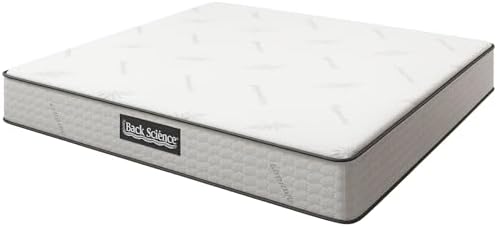
The back science Essentials Queen Mattress is a 10-inch hybrid designed to keep your spine in line while you sleep. It ships in a box and uses a 7-layer construction. The top layer includes 2 inches of HyperGel pressure-relief foam, which helps cushion the shoulders and hips. The mattress is built around a firm lumbar zone, meant to hold up the lower back so your spine does not sag through the night. Reinforced edges are also part of the design, which can help you use more of the surface when you sit on the side or sleep near the edge.
The firm lumbar support is the main reason this model belongs on a back pain shortlist. Many sleepers with lower back discomfort do best when the midsection stays supported and the hips sink just enough to keep the spine level. In everyday use, owners often find that a firm core paired with a softer comfort layer strikes a useful balance. That said, a firm design is not right for everyone. If you prefer a plush, hugging feel, this mattress may seem too firm at first. Side sleepers with narrow frames may need a few nights to adjust to the pressure points at the shoulder and hip.
Its motion-isolating design is another strength. Because the mattress is built with layered materials, movement from one side of the bed is less likely to reach the other side. This is a practical advantage for couples, although it is not as thorough as the individually wrapped coil systems found in some other hybrids. The 10-inch profile is also lower than many modern mattresses, which may matter if you need an easier time getting in and out of bed or if you plan to use it on a platform frame.
The sleep trial and warranty are generous for this category. A 365-night trial with free adjustments and no restocking fees gives you a full year to decide whether the firmness works for your body. The 20-year limited warranty signals that the brand expects the materials to hold their shape. The Greenguard Gold certification and the made-in-USA label add to its appeal for shoppers who care about indoor air quality and domestic manufacturing.
Compared with the other two picks, this model is the most focused on spinal alignment through a firm, structured feel. It is thinner than the 14-inch VISCOFLEX foam option and is built as a hybrid rather than an all-foam bed. It is also a queen size, while the other two are king. If you want a compact, lumbar-focused hybrid for a smaller bedroom or a single sleeper, this is a strong contender.
Pros:
- Firm lumbar support is designed to help keep the spine aligned
- The 7-layer build includes 2 inches of HyperGel pressure-relief foam
- A 365-night sleep trial with free adjustments gives you plenty of time to decide
- Greenguard Gold certification and a made-in-USA label appeal to health-conscious shoppers
Cons:
- The firm feel may be too rigid for side sleepers who want deep contouring
- At 10 inches, it offers less cushioning depth than the taller options in this list
The back science Essentials Queen Mattress is a solid choice if you want a firm, supportive hybrid that focuses on spinal alignment and offers a long trial period. It suits back and stomach sleepers, and side sleepers who do not mind a firmer surface. If you need a deeper, more cushioned bed or a king size option, you may want to look at the other picks below.
VISCOFLEX King Size Extra Firm Gel Memory Foam Mattress: A Spring-Free Option for Back Support

The VISCOFLEX King Size Mattress is a 14-inch all-foam bed with an extra-firm feel. It uses a three-layer foam system, with a top layer of gel memory foam and a high-density base foam meant to provide steady support. The gel memory foam contours to your body and helps relieve pressure, while the base layers are designed to spread weight evenly. Because the mattress has no springs, it avoids the coil-related noise that some sleepers find distracting.
The high-density base is the feature that matters most for back pain. A dense foundation helps prevent the midsection from dropping, which is a common cause of morning stiffness. The gel memory foam on top gives a slight cushion so the surface does not feel harsh, although the overall character remains firm. Some users report that the bed feels supportive right away, while others need a short adjustment period to get used to the lack of give. If you are coming from a soft pillow-top, expect a noticeable change.
The breathability of this model is handled through gel-infused foam, which is designed to promote airflow and reduce heat buildup. All-foam beds have a reputation for trapping warmth, so the gel infusion is a meaningful feature for hot sleepers. Still, foam does not breathe as freely as an open coil system, so people who run very warm may still feel heat over long nights. The materials carry CertiPUR-US certification and Oeko-Tex fabric standards, which are useful signals for shoppers who want their bed free from certain chemicals.
Its quiet design is a practical advantage for couples. The spring-free build and foam layers reduce motion transfer, so one partner’s position changes are less likely to disturb the other. The 14-inch height gives the bed a substantial look and feel, and it may be easier to get in and out of than a thinner mattress. The 365-night home trial and 10-year coverage provide a reasonable safety net, although the warranty is shorter than the one offered by the back science model.
Compared with the other options, this bed is the most traditional in its approach to back support. It relies on dense foam rather than springs or a firm lumbar zone, which makes it an attractive option for sleepers who find coils uncomfortable. It is less responsive than a hybrid, so you may feel a slower bounce when you change position. This is a strong fit for back and stomach sleepers who want a firm, quiet bed.
Pros:
- A high-density base foam provides steady, firm support for the lower back
- The spring-free design keeps the bed quiet and limits motion transfer
- Gel-infused memory foam adds some pressure relief without a soft, sinking feel
- CertiPUR-US and Oeko-Tex materials give added peace of mind about the components used
Cons:
- Foam beds can trap heat, so hot sleepers may still feel warm despite the gel infusion
- The extra-firm feel may be too much for side sleepers who need a softer shoulder area
The VISCOFLEX King Size Mattress is a good match if you want a firm, spring-free foam bed for back support and quiet sleep with a partner. It works best for back and stomach sleepers who do not need a soft surface. If you run hot or want more bounce, a hybrid model may suit you better.
BedStory Extra Firm King Hybrid Mattress: Airflow and Support in One Design

The BedStory Extra Firm King Mattress is a 13-inch hybrid that combines multiple foam layers with reinforced pocket springs. BedStory describes it as offering ultra firmness and orthopedic support, which makes it suitable for back and stomach sleepers as well as couples. The coils are individually wrapped and made of reinforced steel, a design that helps each section of the bed respond on its own. This setup matters for back pain because the coils can push back against heavy zones like the hips and shoulders while the foam layers add a layer of comfort.
The motion isolation is one of this model’s clearest strengths. Individually wrapped coils are better at limiting movement than a single connected spring unit, so you are less likely to feel your partner shifting or getting up. For couples who wake up at different times or move a lot in their sleep, this design offers a practical benefit. A quieter night often means fewer disruptions, and fewer disruptions can help you stay in one position long enough to rest your back.
Airflow is where this hybrid stands apart from the foam-only options. The open-coil system is described by BedStory as providing far more airflow than all-foam beds, and the gel-infused foam is meant to help keep the surface at a comfortable temperature. Manufacturer claims like this should be taken as a design goal rather than a guarantee, but the coil structure does give the bed a more open feel than a dense foam block. Hot sleepers may find it easier to stay comfortable here than on an all-foam mattress of similar firmness.
The bed meets CertiPUR-US and Oeko-Tex standards, which means it is made without fiberglass or harmful substances according to the brand. BedStory also provides a 365-night trial and 10-year support. As the designer and manufacturer, the brand handles the product from start to finish, which can make customer service simpler if you need help during the trial period. The 13-inch height offers a balance between a substantial feel and easy bed access.
Compared with the other picks, this model gives you the best mix of firm support, airflow, and motion control. It is more responsive than the all-foam VISCOFLEX bed, and it has a more structured, coil-based feel than the back science hybrid. If you need a king size, want a firm surface, and sleep with a partner, this is the most balanced option of the three.
Pros:
- Individually wrapped steel coils help limit motion transfer between sleepers
- The open-coil system and gel-infused foam support better airflow than all-foam designs
- Extra-firm support suits back and stomach sleepers who need a firm base
- Certified materials and a 365-night trial add confidence to the purchase
Cons:
- The extra-firm feel may feel too rigid for lighter sleepers or side sleepers
- Hybrid construction is heavier to move and set up than a compressed foam bed
The BedStory Extra Firm King Mattress is a strong pick for couples and hot sleepers who want a firm, supportive hybrid. It delivers good motion isolation and a more breathable build than most foam designs. If you prefer a softer feel or need a lighter bed for frequent moves, you may want to consider a different option.
How to Choose the Right Orthopaedic Mattress for Back Pain
Choosing a mattress for back pain is less about finding the single best bed and more about matching the bed to your body, your sleep position, and your daily comfort needs. The right choice should keep your spine in a neutral line, relieve pressure at the points that ache, and feel stable enough that you do not wake up sore. The factors below will help you compare the three models in this guide and any others you consider.
Firmness and Spinal Support
Firmness is the first factor to think about, but it is also the most misunderstood. A firm mattress does not automatically mean a better mattress for your back. What matters is whether the surface holds your hips and midsection in line with your shoulders. If the bed is too soft, your hips can sink and your lower back can arch, which is a common cause of morning pain. If it is too firm, pressure builds at the shoulders and hips, which can cause its own discomfort. Most people with back pain do well with a medium-firm to extra-firm feel, but side sleepers often need a little more give than back sleepers. Pay attention to how your body feels after a few nights rather than trusting the first impression in the store.
Mattress Height and Construction Type
The construction of a mattress shapes how it supports your body. All-foam beds, like the VISCOFLEX model, rely on dense foam layers to create a uniform, firm surface without springs. They tend to be quiet and can be easier to maintain in shape over time, but they can hold heat and may feel less responsive. Hybrid mattresses, like the BedStory and back science models, combine foam with coils or a support core. Hybrids often feel more bouncy, breathe better, and offer more structured support around the lumbar area. The overall height of the bed also matters. A taller mattress can make it easier to get in and out of bed, but it may also raise your center of gravity and change how the bed feels under you. Check the height before you buy, especially if you use a low bed frame or need to sit on the edge to dress.
Motion Isolation for Shared Beds
If you share your bed, motion isolation should be near the top of your list. When one person shifts, rolls, or gets up, the movement should stay on that side of the bed rather than traveling across the surface. Foam designs generally reduce motion transfer well because the material absorbs movement. Hybrids with individually wrapped coils can perform even better, because each coil responds on its own. Motion isolation is important for back pain sufferers in particular, since a restless partner can disrupt the deep sleep you need to recover. A mattress that keeps the surface quiet and steady can help you stay in one supported position longer through the night.
Breathability and Temperature Control
Heat is a common complaint with foam beds, and overheating can make it harder to rest well. If you tend to sleep warm, look for features that promote airflow, such as open-coil systems, gel-infused foam, or breathable covers. Gel infusions are meant to help draw heat away from the body, but they do not eliminate heat buildup entirely. Hybrids usually have an advantage here because the space between the coils allows air to move through the bed. Think about your normal sleep temperature, whether you sleep with a partner who runs warm, and what kind of bedding you use before you decide how much breathability you need.
Materials and Certifications
Certifications can give you confidence about what goes into your mattress, especially if you are sensitive to odors, chemicals, or allergens. Look for standards such as CertiPUR-US for foam, Oeko-Tex for fabrics, and Greenguard Gold for low chemical emissions. These labels do not measure how comfortable or supportive a bed is, so they should not replace your judgment about firmness and fit. They do, however, indicate that the materials were tested against established criteria. If you have allergies or asthma, a certified bed can be a helpful starting point for your search.
Trial Periods, Warranties, and Return Policies
Because mattress comfort is personal, a generous trial period is one of the most valuable features you can find. A long sleep trial gives your body time to adjust, which matters for back pain since some discomfort can fade after a few weeks of new support. Read the return terms carefully, including whether there are restocking fees, whether the company offers free adjustments, and whether you must pay for pickup or disposal. A warranty protects you against manufacturing defects, but it usually does not cover normal wear or loss of comfort. Longer warranties can signal confidence in the materials, but they do not guarantee the bed will suit your back.
Bed Size and Frame Compatibility
Size should match your room, your sleep needs, and your partner’s needs. A queen size works well for a single sleeper or a smaller bedroom, while a king gives couples more space to move without disturbing each other. Before you buy, measure your bedroom and check the frame or foundation you plan to use. A mattress needs proper support to perform well, so a slatted base with even spacing or a solid platform is usually a better choice than a worn-out box spring. A mismatched foundation can create dips or uneven pressure that undermines the support you paid for.
Frequently Asked Questions
Is an extra-firm mattress always better for back pain?
No. Extra-firm beds can work well for many back and stomach sleepers, but they are not automatically the best choice. Side sleepers often need a softer surface that allows the shoulder and hip to sink slightly. The goal is spinal alignment, not maximum firmness. If you have chronic back pain, it is wise to talk with a doctor or physical therapist about the type of support that suits your condition.
How long does it take to adjust to a new orthopaedic mattress?
Most people need anywhere from a few nights to several weeks to adjust. Firm beds can feel unusual at first, especially if you are used to a softer surface. Give the bed a fair trial before deciding it does not work. Keep track of how you feel in the morning, since that is often the clearest sign of whether the support is helping.
Are hybrid mattresses better than all-foam mattresses for back pain?
Neither type is better in every case. Hybrids often provide more airflow, a more responsive feel, and better motion control, which many shoppers prefer. All-foam beds are usually quieter, can offer a more uniform surface, and may be a good fit for people who want a simple, dense feel. Your sleep position, body weight, temperature preferences, and whether you share the bed should guide your decision.
Can a mattress topper fix a bed that is too firm or too soft?
A topper can change the feel of a mattress, but it cannot fix a bed that lacks proper support. A thin topper may soften a very firm surface, while a firmer topper may add some support to a soft bed. However, if the core of the mattress has sagged, a topper will not restore its structure. In that case, replacing the mattress is usually the better long-term solution.
Do certifications like CertiPUR-US mean a mattress will be comfortable?
Certifications address材料 safety and manufacturing standards, not comfort or spinal support. A certified mattress can still be too firm, too soft, or too hot for your body. Use certifications as one part of your decision, and rely on the trial period and your own sleep experience to judge comfort.
How often should I replace an orthopaedic mattress?
Many mattresses are designed to last several years, but the right time to replace one depends on wear and comfort rather than a fixed date. Signs that it may be time to replace your bed include visible sagging, lumps, or indentations, and waking up with more pain than before. If your back feels better on a different surface, that is also a useful clue. Keep your foundation in good condition too, since a worn base can shorten the life of even a strong mattress.
Which mattress should I choose if I share a bed with a partner?
If you share a bed and want quiet, steady support, the BedStory hybrid offers strong motion isolation and a firm structure. The VISCOFLEX foam bed is also a good choice for partners who prefer a spring-free surface. Both king options give couples more room to move. Try to lie on the bed with your partner before buying if you can, since your body weights and sleep positions will affect how the mattress feels for both of you.
Final Recommendation
For most people with back pain who want a firm, supportive surface with a long trial, the BedStory Extra Firm King Mattress is the most balanced choice in this guide. It combines firm support, motion isolation, and better airflow than the all-foam option, and it works well for couples. If you prefer a compact queen with a firm lumbar zone and a long warranty, the back science Essentials Queen Mattress is a strong fit. The VISCOFLEX King Size Mattress is the right pick if you want a spring-free, extra-firm foam bed and do not sleep hot. Whichever you choose, use the trial period to judge how your back feels over several weeks, and talk with a healthcare professional if your pain persists.