
If your RV, camper, or travel trailer has a 30-inch-wide bunk, finding a mattress that fits is only the first step. The right pick also needs enough comfort to make long drives feel worth it, a cover you can clean, and a build that holds its shape after months of use. Bunk mattresses are thinner and narrower than standard beds, so small differences in foam density, thickness, and cover design can change how well you sleep. This guide reviews five options sized for 30-inch bunks, explains what sets each one apart, and helps you decide which one fits your space and sleep style.
Our Picks: Best Rv Bunk Mattress 30 X reviews
Quick Comparison Table
| Product | Size and Thickness | Core Foam | Cover | Best For |
|---|---|---|---|---|
| hoggisleep Bunk Mattress – 6 Inch RV Mattress | 30 x 75 in, 6 in | 2 in AquaSoft memory foam over 4 in high-density base | Breathable diamond-soft fabric | Comfort-focused sleepers who want a memory foam feel |
| 6 Inch RV Bunk Mattress, 30″ x 75″ Gel Memory Foam | 30 x 75 in, 6 in | 6 in gel memory foam, high-density build | Removable zip cover with full encasement | Owners who want a washable cover and a firm, supportive feel |
| CRAURU 75″ x 30″ x 3″ RV Bunk Mattress Replacement | 75 x 30 in, 3 in | Medium-firm high-density foam | White knitted terry cloth | Budget-minded replacements and a slimmer profile |
| RecPro RV Bunk Bed Mattress Memory Foam 6″ Gel Infused | 6 in | Gel-infused memory foam | Bamboo ticking with washable zip cover | Campers who want a brand-name option with a washable cover |
| Koeerie RV Bunk Mattress 30x72in with Washable Cover | 30 x 72 in, 4 in | 4 in contouring memory foam | White cover with perimeter zipper | Shorter bunks and side sleepers who want contouring |
Understanding Your Choices at a Glance
Not every bunk has the same length, so check your measurements before you add anything to your cart. Most of the options below are built for a 75-inch length, but one runs about three inches shorter. The thickness also varies quite a bit, from a slim 3-inch pad to a full 6-inch mattress. Thicker foam usually feels more like a home bed, while thinner foam saves space and is easier to fit through narrow camper doors. Use the table as a starting point, then read the product sections for the details that matter most to you.
1. hoggisleep Bunk Mattress: A Comfort-First Memory Foam Option

The hoggisleep mattress is a 6-inch bunk mattress sized at 30 by 75 inches. It pairs a 2-inch layer of AquaSoft memory foam with a 4-inch high-density foam base. That combination aims to deliver a soft, contouring top layer while keeping a firm foundation under your hips and back. For anyone who misses the feel of a home mattress, this layered design is the main selling point. The mattress is made to fit tight RV and camper bunks, so it can give you a noticeable upgrade over a worn factory pad.
The build is one of the product’s strongest areas. The manufacturer states that the mattress is assembled at a facility in Mississippi and uses CertiPUR-US certified foams. It also says the mattress meets U.S. home fire safety standards and motor vehicle flammability requirements. Those details matter for a product that will sit in an enclosed vehicle and may be used for guests. The breathable, diamond-soft cover is another plus, since sleeping in a small space can leave you feeling warm.
In everyday use, the medium-firm feel suits a wide range of sleepers. Side sleepers often appreciate the cushioning around the shoulders and hips, while back sleepers tend to value the steady support from the base. Because the mattress is thick, it may need some extra attention when you make up the bunk, especially if your bunk has a tight rail or a short ledge. Many owners say the setup is easy once the mattress has expanded, but a few may need to wait for the foam to fully recover after shipping.
The main drawback is that this is a thicker, more substantial piece. If your bunk has limited headroom, a 6-inch mattress may feel crowded when you sit up or climb in. The cover also does not appear to be described as removable in the supplied product information, so plan on spot cleaning or using a separate mattress protector. Compared with the CRAURU option, this mattress is much more of a comfort upgrade than a slim replacement. Compared with the RecPro and INEHM models, it puts more emphasis on layered memory foam and a home-like feel than on washable covers.
Pros:
- Two inches of memory foam over a firm high-density base for a balanced feel
- Built in Mississippi with CertiPUR-US certified foams
- Meets U.S. home fire safety and motor vehicle flammability standards
- Breathable diamond-soft cover that suits warm sleepers
Cons:
- The 6-inch profile can feel tight in bunks with low headroom
Verdict: This is a strong choice if you want a home-style memory foam feel and a clear build story. It suits couples on longer trips or anyone who puts comfort first. If you need a removable, washable cover or a very slim profile, look at the other options on this list.
2. INEHM 6-Inch Gel Memory Foam RV Bunk Mattress: Best for Washable Covers

The INEHM mattress is a 6-inch gel memory foam bunk mattress sized at 30 by 75 inches. It is an all-foam design with a high-density core, aimed at people who want pressure relief without a sagging middle. The product is built as a boxed, rolled mattress that is simple to install in an RV bunk, dorm-style bed, or daybed. It is a good example of a mattress designed around everyday practicality rather than luxury feel alone.
One of the most useful features is the removable zip cover. The listing describes a full 360-degree encasement with lockable zippers, which makes it easier to take the cover off for washing. In a vehicle where spills, pet hair, and dust can build up, that detail can make a real difference. The cover is also described as a heavyweight cationic fabric, which suggests a sturdier outer layer than a thin stretch cover. Combined with the high-density core, the design points toward a mattress that is meant to handle regular use.
In daily use, the firm core helps keep your body aligned, which many side and back sleepers prefer on a narrow bunk. The non-slip base is a useful addition for anyone who worries about the mattress shifting during travel. The listing also states a 12-month test period and an estimated lifespan of 8 to 10 years. Those are the manufacturer’s claims, so treat them as a guide rather than a guarantee, but they do show the company expects the product to hold up over time.
The firm feel will not suit everyone. Some sleepers who like a soft, sink-in surface may find this mattress too firm, especially after a long day of driving. The thickness is also a factor. Six inches is comfortable, but it takes up more space in a low bunk than the 3-inch CRAURU option. Compared with the hoggisleep mattress, this one leans more toward washability and a firm core, while the hoggisleep focuses more on layered comfort.
Pros:
- Removable zip cover with full encasement that is easy to wash
- High-density gel memory foam core for a firm, supportive feel
- Non-slip base helps reduce movement while traveling
- Stated 12-month test period gives buyers time to assess fit
Cons:
- The firm feel may be too much for sleepers who prefer a soft surface
Verdict: This is a practical pick for RV owners who value a washable cover and a supportive core. It works well for back sleepers and people who want their mattress to stay in shape through regular use. If you prefer a softer, plush feel, the hoggisleep mattress may be a better match.
3. CRAURU 3-Inch RV Bunk Mattress Replacement: A Slim, Budget-Minded Option

The CRAURU mattress is a slim 3-inch replacement pad measuring 75 by 30 inches. It uses a medium-firm high-density foam and comes with a white knitted terry cloth cover already in place. Its low profile makes it a sensible choice when your bunk has limited clearance, or when you only need a basic upgrade over a worn factory cushion. The product is built to replace an existing pad rather than to create a thick, layered sleeping surface.
The 3-inch thickness is the main design decision here. A thinner mattress is easier to slide into tight spaces and leaves more room for sitting up. It also tends to be easier to handle when you are moving it in and out of a camper. The terry cloth cover is soft and is described as breathable, which helps the surface stay comfortable in warm weather. Because the cover is light and fitted, it can be wiped down easily between trips.
The medium-firm foam offers a balanced support level that works for many sleepers. Back and stomach sleepers often prefer this kind of firmness because it limits sinking. Side sleepers may notice less pressure relief than they would get from a thicker memory foam mattress, however. This is a trade-off that comes with a slimmer build. Shipping is compressed, so you will need to unroll the mattress and give it time to expand. Owners should plan to let it air out for a day or more before the full shape returns.
The biggest drawback is the limited cushioning. If you want the plush, sink-in feel of a thicker foam, this mattress will likely feel too thin. The cover is also not described as removable, so it may need to be cleaned in place. Compared with the 6-inch options, this model is better suited to a basic replacement than a full comfort upgrade.
Pros:
- Slim 3-inch profile that fits tight bunks and leaves room for sitting up
- Medium-firm high-density foam with balanced support
- Breathable terry cloth cover that is soft against the skin
- Simple setup once the mattress is unrolled and aired out
Cons:
- Thin cushioning may feel too firm for side sleepers who want pressure relief
Verdict: This is a good fit if you need a low-profile replacement for a bunk with limited headroom. It works best for back and stomach sleepers who want firm support without a bulky mattress. If you want a thick, cushioned surface, one of the 6-inch models will serve you better.
4. RecPro 6-Inch Gel-Infused Memory Foam Bunk Mattress: A Brand-Name Choice

The RecPro mattress is a 6-inch memory foam bunk pad built with gel-infused foam and a bamboo ticking cover. It is designed to replace the springs and bars found in many older RV bunks, which makes it a practical swap for people who want a flat, solid sleeping surface. The washable zip cover is a notable feature, and the mattress is sold as an upgrade for camper bunks in general. RecPro is a familiar name in RV accessories, which many buyers find reassuring when they are choosing a replacement.
The gel-infused memory foam aims to balance cushioning and support. The gel layer is meant to help with heat, which can be a real concern in a closed vehicle during summer. The bamboo ticking adds a soft texture on the surface and a cover that is easy to remove and wash. Taken together, these features make the mattress feel like a more comfortable everyday choice than a bare foam pad.
The product information for this model is brief, so it is harder to judge exact specifications from the listing alone. You should confirm the bunk size before ordering, since the listing does not give dimensions in the supplied details. In everyday use, sleepers who want a familiar memory foam feel and a washable cover tend to find this option appealing. Those who want clear, detailed specifications may prefer a mattress with more information in its description.
The limited detail is the main drawback. Without firm specifications, it is harder to compare this model directly with the others on fit, firmness, and support. The cover is washable, but the supplied information does not say much about the core density, so it is hard to predict how the feel will change over several years of use. Still, the design choices, from the gel-infused foam to the zip cover, are sensible for most campers.
Pros:
- Gel-infused memory foam offers a cushioned feel
- Washable zip cover with bamboo ticking
- Designed as a no-spring, no-bar replacement for camper bunks
- Well-known RV accessory brand name
Cons:
- Limited product details make it harder to confirm exact fit and firmness
Verdict: This is a solid pick for campers who want a memory foam surface with a washable cover from a familiar RV brand. It suits people who plan to replace an old spring-based bunk. Before buying, measure your bunk carefully, since the listing offers fewer specifics than some competing products.
5. Koeerie 4-Inch Memory Foam RV Bunk Mattress: A Contouring Option for Shorter Bunks
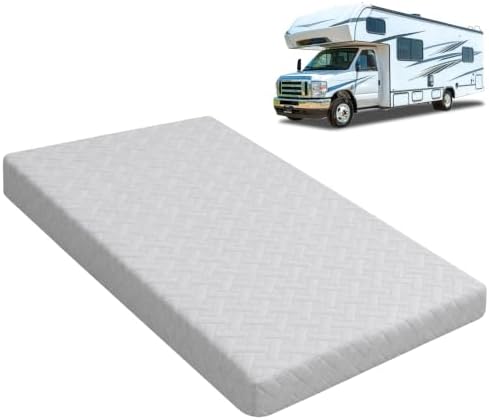
The Koeerie mattress is a 4-inch memory foam bunk pad sized at 30 by 72 inches. It is the shortest option on this list, so it is worth measuring your bunk before you order. The product is built around a contouring foam core that the listing describes as adaptive, and it comes with a white washable cover that uses a perimeter zipper. It arrives compressed in a box and is designed to expand after unpacking, with no complicated assembly needed.
The 4-inch thickness sits between the slim 3-inch CRAURU pad and the 6-inch models. That middle ground gives you some cushioning without taking up as much room as a thicker mattress. The perimeter zipper makes it easier to remove the cover for cleaning, and the description says the cover can be machine washed on a gentle cycle. This is a practical feature for a mattress that may see spills, dust, or pet hair during trips.
The contouring design is aimed at sleepers who want the foam to follow the shape of the body. In everyday use, that can help ease pressure around the shoulders and hips, especially for side sleepers. The listing also highlights motion isolation, which may help if you share the bunk with a restless partner. Keep in mind that motion isolation claims depend on the sleeper and the setup, so they are not something you can measure from a product page alone.
The shorter length is the main limitation. A 72-inch mattress may leave a gap at the end of a 75-inch bunk, which can create a small space that is uncomfortable or a spot where the mattress shifts. Some people may also find the 4-inch foam less supportive than a firmer core. If your bunk is standard 75 inches, the 30 by 75 options may be a better fit.
Pros:
- Contouring memory foam designed to ease pressure at the shoulders and hips
- Washable cover with a perimeter zipper for easy removal
- Compressed shipping box that is simple to unpack
- Mid-range thickness that balances comfort with a slimmer profile
Cons:
- At 72 inches long, it may not fill a standard 75-inch bunk
Verdict: This mattress is a good pick for shorter bunks or for side sleepers who want contouring cushioning in a moderate thickness. It is easy to clean and simple to set up. Confirm your bunk length before buying, because a standard 75-inch bunk will leave a noticeable gap.
How to Choose the Right RV Bunk Mattress for a 30-Inch Bunk
Choosing a bunk mattress is different from picking a bed for a house. Space is tight, the mattress has to fit through narrow doors, and it will be exposed to heat, humidity, and movement. The sections below explain the main factors to weigh before you buy, so you can match a mattress to your bunk, your sleep style, and the way you travel.
Measure Your Bunk Before You Shop
Always start with your bunk measurements. Most products in this guide are sized to 30 inches wide, but length can vary from one vehicle to another. Measure the bunk from the inside edges and from front to back, and write both numbers down. If your bunk is 75 inches long, a 72-inch mattress will leave a gap. A mattress that is too large may not fit through the door, or it may press against the walls and bunch up. Measuring first saves time and prevents returns.
Choose the Right Thickness for Your Space
Thickness affects both comfort and fit. A 6-inch mattress offers a more home-like feel and better cushioning, but it reduces headroom and can make it harder to sit up or climb in. A 3-inch pad gives you more clearance and is easier to handle, but it provides less pressure relief. A 4-inch mattress is a middle choice. Think about how you use the bunk. If you sleep in it every night for weeks, a thicker mattress may be worth the trade-off. If it is mainly for occasional guests or short trips, a slimmer pad may be enough.
Understand Foam Types and Firmness
Memory foam, gel-infused foam, and high-density foam each behave differently. Memory foam contours to the body and can ease pressure around the hips and shoulders. Gel-infused foam is often used to help manage heat, though the level of cooling depends on the product. High-density foam is firmer and tends to hold its shape under regular use. Firmness is personal, so consider your sleep position. Side sleepers often need more cushioning, while back and stomach sleepers may prefer a firmer surface. If you are unsure, choose a medium-firm option and adjust your bedding to fit your comfort.
Look at the Cover and Cleaning Options
A removable, washable cover can make a big difference in a small vehicle. Spills, dust, pet hair, and condensation are all more common in campers than in homes. Zip covers are easier to take off and wash, while covers that are fixed in place may need to be spot cleaned. Breathability also matters, because a cover that traps heat can make a small bunk feel warmer at night. Check whether the cover is removable before you buy if easy cleaning is a priority.
Consider Your Sleep Style and Travel Habits
Think about who will use the bunk and how often. A couple on a long road trip may want more cushioning and a stable surface that does not shift. A child or occasional guest may be fine with a simpler, thinner pad. Your travel habits matter too. If you move your vehicle often, a non-slip base or a secure fit can help the mattress stay in place. If you camp in warm weather, breathable materials may be more important than extra thickness.
Think About Build Quality and Warranty
Look for clear information about the foam type, density, and construction. Certifications such as CertiPUR-US can give you some confidence in the foam’s chemical content, and fire safety standards matter in enclosed spaces. Warranty length can also signal how much the manufacturer expects the product to last. Keep in mind that these details vary by product, so read each listing carefully and compare the specifics that matter most to you.
Frequently Asked Questions
Will a standard 30 by 75 inch mattress fit every 30-inch RV bunk?
Not always. Many RV bunks are about 30 inches wide, but length and thickness can vary. Measure your bunk, including the inside edges and any rails, before you buy. A mattress that is slightly too large may not fit through the door, while one that is too small will leave gaps.
How thick should an RV bunk mattress be?
Thickness depends on your space and comfort needs. A 3-inch pad is good for tight bunks with limited headroom. Four-inch and six-inch mattresses offer more cushioning and a more home-like feel, but they can make it harder to sit up or climb in. Pick the thinnest option that still feels comfortable to you.
Are memory foam RV mattresses comfortable for side sleepers?
They often are. Memory foam contours to the shoulders and hips, which can ease pressure for side sleepers. A thicker foam layer usually gives more cushioning, so a 4-inch or 6-inch option may suit side sleepers better than a slim pad. Your comfort will also depend on how firm the mattress feels to you.
Can I wash the cover of an RV bunk mattress?
It depends on the product. Some models have a removable zip cover that can be taken off and washed, often on a gentle cycle. Others have a cover that is fixed in place and needs spot cleaning. Check the product details before you buy if you plan to wash the cover regularly.
Why does my new mattress look flat when it arrives?
Many RV mattresses are shipped compressed and rolled to save space. After you unpack it, the foam needs time to expand. Unroll the mattress, let it air out, and give it a day or more to return to its full shape. Avoid sitting or stacking heavy items on it during this period.
Is a 6-inch mattress better than a 3-inch replacement pad?
A 6-inch mattress usually offers more cushioning and pressure relief, while a 3-inch pad offers more headroom and is easier to handle. Neither is better in every case. The right choice depends on your bunk height, your sleep style, and how often you will use the bunk.
Do product availability and details change over time?
Yes. Stock levels, product specifications, and listing details can change without notice. Some products in this guide may be unavailable when you visit the listing. Always check the current product page on Amazon for the latest information before you buy.
Final Recommendation
For most people, the best choice comes down to fit, comfort, and how you plan to use the bunk. If you want a home-style memory foam feel and a clear build story, the hoggisleep mattress is a strong option. If washability and a firm, supportive core matter most, the INEHM mattress deserves a close look. For tight bunks with limited headroom, the CRAURU pad offers a slim, simple replacement. The RecPro model suits campers who want a familiar RV brand with a washable cover, while the Koeerie mattress works well for side sleepers with a shorter bunk. Measure your space first, decide how much cushioning you need, and choose the option that matches your bunk and your travel style.