
Chocolate protein powder can make it easier to add protein to meals or snacks, but no powder causes weight loss on its own. Your overall eating pattern and activity matter most. For a useful comparison, look at protein per serving, calories and sugar where provided, ingredients, and whether the protein source fits your needs. These five options include plant-based and whey formulas, with different strengths for people managing their calorie intake.
Quick Comparison
| Product | Protein per serving | Notable details | Best suited for |
|---|---|---|---|
| Orgain Organic Creamy Chocolate Fudge Vegan Protein | 21g | 150 calories, 0g sugar*, 6g prebiotic fiber | Shoppers who prefer organic plant protein |
| Optimum Nutrition Gold Standard Double Rich Chocolate Whey | 24g | Whey isolate and concentrate; mixes with water or milk | People who want a straightforward whey powder |
| Isopure Low Carb Dutch Chocolate Whey Isolate | 25g | Ultra-filtered whey; low or zero carbohydrates | Shoppers prioritizing protein and low carbs |
| Orgain Organic Chocolate Vegan Protein + Metabolism | 21g | 160 calories, 1g sugar, 5g prebiotic fiber | Plant-based shoppers interested in added chromium |
| TrueFit Grass-Fed Whey Protein with Fiber | 25g | 160 calories, prebiotic fiber and probiotics; flavor not specified in the supplied details | People seeking whey with added fiber |
*The Orgain description reports 0g sugar; check the product label for the latest nutrition information and serving details.
Our Picks: Best Chocolate Protein Powder For Weight Loss reviews
1. Orgain Organic Creamy Chocolate Fudge: Best Plant-Based Pick

This organic plant-based powder provides 21g of protein per serving from a blend of peas, brown rice, and chia seeds. Orgain lists 150 calories per serving, 0g sugar, and 6g of prebiotic fiber. Those details make it easier to assess how the powder could fit into your daily intake, though the calories in any shake will change if you add milk, fruit, or other ingredients.
The formula is vegan and made without soy ingredients, gluten, dairy, artificial sweeteners, colors, flavors, or preservatives, according to the supplied product information. You can mix it with water or a milk alternative, blend it into a smoothie, or stir it into foods such as overnight oats. The tub contains 20 servings.
Compared with the whey options below, this is the clearest fit for someone avoiding dairy or choosing plant protein. Its fiber may make it more filling for some people, but it is not a meal replacement by itself. If you want a full meal, consider what else you will eat alongside it.
Pros:
- 21g of plant-based protein per serving
- 150 calories and 0g sugar listed in the product details
- Organic, vegan, and made without dairy or soy ingredients
- Can be mixed into drinks, smoothies, and some foods
Cons:
- Plant-based texture and taste may not suit everyone
- The tub provides 20 servings, so frequent use can mean replacing it sooner
Verdict: Choose this if you want an organic, dairy-free chocolate protein powder with clearly listed calories and fiber.
2. Optimum Nutrition Gold Standard Whey: Best Everyday Whey
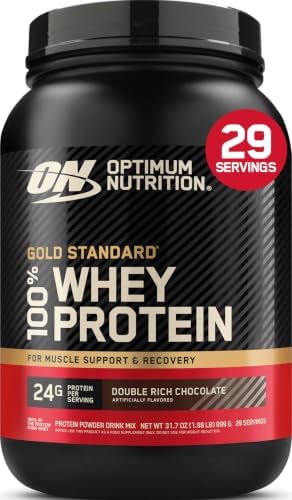
This chocolate whey powder provides 24g of protein per scoop from whey protein isolate and concentrate. It also lists 5.5g of naturally occurring branched-chain amino acids and 11g of essential amino acids per serving. The product is positioned for use after exercise or whenever you want extra protein during the day.
The instantized powder is designed to mix with a spoon, shaker, or blender. The suggested preparation is one scoop with 6–8 ounces of water, milk, or another beverage. Using water keeps the drink simpler; milk adds ingredients and calories, so include those in your own meal plan.
This is a practical choice if you tolerate dairy and want a familiar whey formula. Unlike the Orgain options, its supplied details do not list calories, sugar, or fiber, so check the nutrition panel before deciding how it fits your daily targets. It also is not a low-carb product based on the information provided.
Pros:
- 24g of protein per scoop
- Uses whey isolate and concentrate
- Mixes with water, milk, or another beverage
- Can be used after exercise or between meals
Cons:
- Contains whey, so it is not suitable for a dairy-free diet
- Calories and sugar are not specified in the supplied product details
Verdict: This is a solid everyday option if you want chocolate whey and are comfortable checking the label for calories and other nutrition details.
3. Isopure Dutch Chocolate Whey Isolate: Best Low-Carb Option

Isopure supplies 25g of whey protein isolate per serving and describes the formula as low or zero carbohydrate. The product information says the protein is ultra-filtered to remove excess fat, carbs, and sugars. For shoppers who are tracking carbohydrates closely, this focus may make it worth comparing with more general-purpose whey powders.
The powder is described as easy to add to smoothies, iced coffee, or baked goods. That gives you options beyond a basic shake, but additions still count: milk, sweeteners, and other mix-ins can change the calories and carbohydrate content of the finished drink.
This product is a good fit for someone who wants a higher protein amount among the listed options and prefers whey isolate. The supplied details do not give a calorie count or exact carbohydrate amount, so review the package label rather than assuming “low carb” means calorie-free. It contains whey and is not a plant-based choice.
Pros:
- 25g of protein per serving
- Whey isolate formula described as low or zero carb
- Can be added to smoothies, iced coffee, and baked goods
- Dutch chocolate flavor is specified
Cons:
- Not suitable for people avoiding dairy
- Calories and exact carbohydrate figures are not included in the supplied details
Verdict: Pick Isopure if low carbohydrates and a 25g whey isolate serving matter more to you than having a fully listed calorie profile in the product description.
4. Orgain Organic Vegan Protein + Metabolism: Best for Added Chromium

This chocolate plant-based powder provides 21g of protein, 160 calories, 1g of sugar, and 5g of prebiotic fiber per serving, according to the supplied details. It also includes chromium. The product description presents chromium as supporting sugar metabolism and protein as supporting fullness, but neither ingredient should be treated as a shortcut to weight loss.
The formula is described as vegan and made without soy ingredients, gluten, GMOs, artificial sweeteners, artificial flavors, or preservatives. It is designed to be mixed with water or used before or after a workout. Compared with Orgain’s Creamy Chocolate Fudge powder, this one lists more calories and sugar per serving, along with chromium.
Consider the added ingredient carefully if you take medication or have a health condition; ask a health professional whether chromium supplements or fortified products are appropriate for you. This powder can contribute protein to a snack or meal, but its “metabolism” positioning does not replace a balanced eating plan or create a guaranteed weight-loss result.
Pros:
- 21g of complete plant protein per serving
- Provides 5g of prebiotic fiber
- Vegan formula made without soy ingredients or gluten
- Includes chromium, as stated in the product details
Cons:
- At 160 calories, it has more listed calories than the other Orgain powder here
- Chromium may not be a useful feature for every shopper
Verdict: Choose this if you want plant protein with fiber and chromium, while treating its metabolism claims as product positioning rather than a weight-loss promise.
5. TrueFit Grass-Fed Whey with Fiber: Best for Protein Plus Fiber

TrueFit combines 25g of grass-fed whey protein with prebiotic fiber and 1 billion CFU probiotics per serving. The supplied product details list 160 calories and describe it as a meal-replacement shake with leafy greens and non-GMO superfoods. Its protein-and-fiber combination may suit someone who wants a more substantial shake than a basic protein-and-water mix.
The description also says it is gluten-free and soy-free and contains no added hormones, antibiotics, or artificial sweeteners. It is presented as a convenient option for breakfast or another meal on the go. Still, whether it works as a meal replacement depends on your needs and what else you eat during the day.
One important detail: the supplied product title and description do not specify a chocolate flavor, even though this article focuses on chocolate powders. Confirm the flavor on the product page before ordering. Like other whey choices here, it is not appropriate for someone avoiding dairy, and claims about digestion or absorption should not be taken as a guarantee of how your body will respond.
Pros:
- 25g of grass-fed whey protein per serving
- Includes prebiotic fiber and probiotics
- 160 calories listed per serving
- Described as gluten-free and soy-free
Cons:
- Flavor is not specified in the supplied product details, so confirm it before buying
- Contains whey and is not suitable for a dairy-free diet
Verdict: Consider TrueFit if you want whey with added fiber and probiotics, but verify the flavor and nutrition label before choosing it as a chocolate option.
How to Choose Chocolate Protein Powder for Weight Loss
Compare calories as well as protein
Protein can help make a snack or meal more satisfying, but the powder still contributes calories. Compare calories per serving with the amount of protein you get, and factor in anything you mix into it. The two Orgain products and TrueFit list calories in the supplied details; for the Optimum Nutrition and Isopure powders, check the current label before deciding.
Choose a protein source you can use consistently
Whey comes from dairy, so it is not a fit if you avoid dairy or have a milk allergy. Plant-based options such as Orgain’s powders can work for people who prefer vegan products or avoid dairy. Check the ingredient and allergen information on the package if you have an allergy or dietary restriction.
Check sugar, carbohydrates, and fiber
These details vary across products and can matter if you are tracking your intake. Orgain lists sugar and fiber for both of its powders, while Isopure emphasizes low or zero carbohydrates. The supplied information does not give a complete nutrient profile for every option, so use the package label to compare products on the same basis.
Think about how you will use the powder
If you want a quick drink, consider how it mixes with the liquid you normally use. If you plan to add powder to coffee, oats, smoothies, or baked goods, remember that other ingredients affect the nutrition of the finished serving. A powder is a convenient protein source, but it does not need to replace a meal unless you have planned a balanced meal around it.
Be cautious with weight-loss and metabolism claims
Protein powder can help you meet a protein goal, but it does not independently cause fat loss. A sustainable calorie deficit, regular activity, and a diet you can maintain are more important. Treat terms such as “metabolism” or “meal replacement” as reasons to examine the formula—not as promises of a specific result.
Check the serving size and flavor before ordering
A scoop or serving size can differ between products, so compare the nutrition facts by the stated serving rather than by the container. Also confirm the flavor shown on the listing. That is especially important for TrueFit here, since the supplied product details do not identify a chocolate flavor.
Frequently Asked Questions
Can chocolate protein powder help with weight loss?
It may help you add protein to a snack or meal, which can support a filling eating plan. The powder itself does not cause weight loss; your overall calorie intake and habits matter.
Which option has the most protein per serving?
Isopure and TrueFit each list 25g per serving, the highest amount among these five products. TrueFit’s supplied details do not specify a flavor, so confirm the flavor if chocolate is essential.
Which powders are plant-based?
Both Orgain options are described as vegan plant-protein powders. The Optimum Nutrition, Isopure, and TrueFit products use whey.
Which product lists the fewest calories?
Orgain Organic Creamy Chocolate Fudge lists 150 calories per serving. The other calorie amounts supplied are 160 for the Orgain metabolism powder and 160 for TrueFit. Calorie information was not included in the supplied details for Optimum Nutrition or Isopure.
Can I use protein powder as a meal replacement?
A shake can be part of a meal, but protein powder alone may not provide everything you need. TrueFit is described as a meal-replacement shake, but consider the full nutrition label and your own dietary needs before replacing a regular meal.
Is whey protein suitable for everyone?
No. Whey is a dairy-derived protein, so it is not suitable for people who avoid dairy or have a milk allergy. People with dietary restrictions should check the full ingredient and allergen information before use.
Final Recommendation
For a clear combination of plant protein, listed calories, and fiber, Orgain Organic Creamy Chocolate Fudge is the strongest all-around choice in this group. If you prefer whey and want 25g of protein with low or zero carbohydrates, compare Isopure’s current nutrition label with your needs. For any option, use the powder as one part of a balanced eating plan—not as a shortcut or a guaranteed weight-loss solution.