
Self-cleaning ovens do much of the hard work for you, but they rarely leave the interior spotless. Splatters, sugar drips, and grease on the racks often survive a full self-clean cycle, and a chemical oven cleaner can handle what the heat cycle misses. The catch is that not every cleaner is a good match for a self-cleaning oven, and some should never be used during the cycle itself. This guide covers five popular oven cleaners, explains how each one fits into a self-cleaning routine, and helps you pick the right one for your kitchen.
| Product | Best For | Size | Formula Style | Availability |
|---|---|---|---|---|
| Easy-Off Fume Free Oven Cleaner for Ovens & Air Fryers, 24oz | Frequent cleaning and double ovens | 24 oz | Fume-free spray | Available |
| Amazon Basics Fume Free Oven Cleaner, Lemon Scent | Light, routine touch-ups with a self-clean-compatible label | 16 oz | Fume-free spray, lemon scented | Available |
| Weiman Heavy Duty Foaming Aerosol Oven Cleaner & Degreaser | Heavy grease and carbon buildup | 14.5 oz | Foaming aerosol | Available |
| Easy-Off Professional Oven & Grill Cleaner, Lemon Scent | Stubborn, long-neglected grime | 24 oz | Heavy-duty spray | Available |
| Easy-Off Fume Free Oven Cleaner, 14.5oz | Smaller households and occasional cleaning | 14.5 oz | Fume-free spray | Currently unavailable |
Our Picks: Best Oven Cleaner For Self Cleaning Ovens reviews
Easy-Off Fume Free Oven Cleaner: Best Large Can for Frequent Cleaning
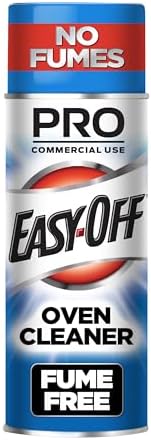
This is a 24-ounce, fume-free oven cleaner spray from Easy-Off, and it is the largest option in this lineup. The formula is designed for baked-on food and grease, and you spray it on, wait, and wipe. It is also marketed for use on air fryers, which makes it a handy product for kitchens with more than one heat-based appliance.
The fume-free positioning is a real advantage in a self-cleaning routine. After a self-clean cycle, the oven is still hot and the interior is often full of residue. A product that does not hit you with a sharp chemical smell makes it easier to tackle the leftover mess without rushing outside to get fresh air. The packaging is also built for volume, so you can keep one can on hand for regular spot cleaning rather than waiting for a major buildup.
Many owners appreciate the larger size, especially those who keep a double oven or clean their oven often. A bigger can means fewer trips to the store and a lower chance of running out in the middle of a cleaning session. The tradeoff is that a 24-ounce can takes up more shelf space, and it may be more than a light user needs.
Compared with the Weiman foam, this spray is less likely to cling to vertical surfaces for a long time, so you may need to work in smaller sections on the oven door. It is a practical everyday tool rather than a specialist for severe carbon deposits. For most households that want one dependable cleaner for regular maintenance, though, it is a sensible base choice.
Pros:
- The 24-ounce size suits frequent cleaning and double ovens.
- Fume-free formula keeps the cleaning session more comfortable.
- Spray-wait-wipe application requires little scrubbing.
- Labeled for use on air fryers in addition to ovens.
Cons:
- The large can takes up more storage space than smaller options.
- May need a second pass on heavy, long-baked grime.
Verdict: If you clean your oven regularly or own a double oven, this is the most practical pick in the group. It handles routine maintenance well, and the large can keeps you stocked for months. Choose a smaller can if you only clean a few times a year.
Amazon Basics Lemon Scented Fume Free Oven Cleaner: Best Light-Duty Pick

This 16-ounce lemon-scented cleaner from Amazon Basics is the only product in this lineup whose listing explicitly addresses self-cleaning ovens. It is labeled as safe for self-cleaning ovens, with an important condition: the self-cleaning cycle should not be used in combination with the product. That detail is essential, and it applies to any chemical cleaner you use in an oven with a self-clean feature.
The fume-free formula has a light lemon scent rather than a sharp chemical odor. That makes it easier to use in a kitchen where you also cook, and it is a good fit for quick wipe-downs of the oven door, racks, and broiler pan. The listing also says it works on barbecue grills and broiler pans, so it can cover a few cleaning jobs beyond the oven itself.
Its main limit is strength. For a light film of grease or a fresh spill, it is a good match. For years of caked-on drippings, the foam from Weiman or the heavy-duty spray from Easy-Off will likely perform better. Some owners find that a little extra dwell time or a second application helps with older messes.
As a value-focused option with a clear self-clean compatibility statement, this is a solid choice for households that want a straightforward maintenance product. It is not the strongest cleaner here, but it is among the easiest to use regularly without a strong smell.
Pros:
- Labeled as safe for self-cleaning ovens, with a clear usage condition.
- Lemon scent and fume-free formula make indoor use more pleasant.
- Versatile enough for oven doors, broiler pans, and grills.
- Simple format that suits regular touch-up cleaning.
Cons:
- May not be strong enough for heavy, long-term buildup.
Verdict: Choose this if you want an easy, low-odor cleaner for regular maintenance and want a product that clearly addresses self-cleaning ovens. Pair it with a stronger cleaner if your oven has years of baked-on residue.
Weiman Heavy Duty Foaming Oven Cleaner: Best Foam for Heavy Grease

The Weiman cleaner is a 14.5-ounce foaming aerosol designed for burnt-on grease and carbon deposits. Instead of a thin liquid, it sprays as a foam that the brand says stays where you apply it. That matters on an oven wall or door, where a regular spray can run down before it has time to work.
The foam format is the main selling point. Because it clings longer than a spray, it can keep the cleaner in contact with stubborn residue. The listing also says you can use it on hot and cold surfaces, and it covers grills, grates, and broiler pans in addition to oven interiors. The brand describes the formula as phosphate-free and residue-free, and it is made in the USA.
Foaming cleaners need a little more care than sprays. You should wear gloves, ventilate the kitchen, and keep the foam away from heating elements and exposed electrical parts. Also, the listing does not describe this product as fume-free, so treat it as a stronger chemical and follow the label closely. Many users find that the foam is easy to see, which makes it simple to tell where you have already cleaned.
Compared with the fume-free sprays, this is the choice for buildup that has resisted repeated wiping. It is not the best pick for quick maintenance, since its strength makes it overkill for a light spill. It is, however, one of the most practical tools for a deep clean after a neglected stretch of baking.
Pros:
- Foam format stays in place longer than a typical spray.
- Works on both hot and cold surfaces, according to the product listing.
- Covers oven interiors, doors, grills, grates, and broiler pans.
- Phosphate-free and residue-free formula, made in the USA.
Cons:
- Not marketed as fume-free, so it requires good ventilation and careful handling.
Verdict: This is the right choice when your oven has heavy, baked-on grease that sprays have not handled. It is more involved than a fume-free spray, so save it for deep cleans rather than weekly wipe-downs.
Easy-Off Professional Oven & Grill Cleaner: Best Heavy-Duty Spray

This 24-ounce Easy-Off Professional cleaner is built for heavy jobs. It is a lemon-scented, heavy-duty spray that the listing says can penetrate burned-on grease and food in as little as three minutes. It is intended for ovens, oven doors, grills, broilers, broiler pans, and stainless steel, which makes it a versatile choice for the kitchen.
The product is positioned for occasional deep cleaning and tough spot work, so it sits at the stronger end of this lineup. The listing notes that you can use it on warm or cold surfaces, and it is made in the USA. Its lemon scent is noticeable, which some people prefer to a plain chemical smell, though it is still a heavy-duty product that calls for ventilation.
In practice, a product like this suits a cleaning session where you plan to leave the cleaner on for a while and then wipe thoroughly. Its larger can gives you room to treat several areas, including the oven and a grill. The tradeoff is that it is less comfortable to use in a closed kitchen, and it is not marketed as fume-free.
Against the fume-free Easy-Off sprays, this one offers more power and a broader list of surfaces, but less comfort. Against the Weiman foam, it is a more traditional spray that may run on vertical surfaces. It works best for people who want one strong cleaner for periodic heavy cleaning and who are comfortable with proper ventilation.
Pros:
- Heavy-duty formula aimed at tough, burned-on grease and food.
- Works on ovens, grills, broiler pans, and stainless steel surfaces.
- Usable on warm or cold surfaces, according to the listing.
- Lemon scent makes it more pleasant than some heavy-duty cleaners.
Cons:
- Not marketed as fume-free, so ventilation and gloves are important.
Verdict: Pick this if your priority is raw cleaning strength for occasional deep cleans, and you plan to use it in a well-ventilated space. For routine upkeep, a fume-free spray is a more comfortable everyday choice.
Easy-Off Fume Free Oven Cleaner 14.5oz: Compact Fume-Free Option

This 14.5-ounce fume-free spray is the smaller version of the 24-ounce Easy-Off cleaner in this lineup. It uses the same core approach: spray on baked-on food and grease, wait, and wipe away the residue without scrubbing. Its listing emphasizes everyday spot cleaning and comfort, since you do not need gloves for the fume-free formula.
The smaller size is easier to store and suits a household that cleans the oven only a few times a year. It also makes sense for someone who wants to try a fume-free Easy-Off product before committing to the larger can. Because the formula is similar, you get the same general experience at a lower volume.
The main issue is availability. This listing is currently unavailable, so you may need to check back later or consider the 24-ounce version if you want a fume-free Easy-Off spray right now. The smaller can also will not last as long if you clean often or have a double oven.
Compared with the other options, this is a good middle-ground product for light to moderate maintenance. It is less robust than the heavy-duty Easy-Off spray and less specialized than the Weiman foam, but its comfortable formula makes it an easy routine cleaner when it is in stock.
Pros:
- Fume-free formula with no gloves required, according to the listing.
- Compact size that is easy to store.
- Simple spray-wait-wipe method for everyday spot cleaning.
Cons:
- Currently unavailable, and the smaller can runs out quickly with frequent use.
Verdict: A good fit for occasional cleaners who want a comfortable, fume-free spray in a smaller size. If it is out of stock when you are ready to buy, the larger 24-ounce version from the same brand is a practical alternative.
How to Choose the Right Oven Cleaner for a Self-Cleaning Oven
Understand How Self-Cleaning Cycles Work
A self-cleaning oven uses very high heat to burn off food residue, which leaves a fine ash that you wipe away after the oven cools. This process handles a lot of everyday mess, but it does not always remove sticky sugar, thick grease, or residue on the door glass. Knowing this helps you decide when a chemical cleaner is worth using. A chemical product is generally for the gaps the cycle leaves behind, not a replacement for it.
Check the Manufacturer’s Instructions First
Before you spray anything inside your oven, read the owner’s manual and look for guidance on chemical cleaners and self-clean cycles. Many manufacturers advise against using oven cleaners during a self-clean cycle, and some warn about specific surfaces, such as gaskets, sensors, or enamel coatings. The Amazon Basics product in this lineup, for example, states that the self-cleaning cycle should not be used in combination with that product. Following the manual protects your appliance and keeps your warranty intact.
Decide Between Fume-Free Sprays and Stronger Formulas
Fume-free sprays are the most comfortable choice for routine cleaning. They are easier to use in a kitchen where you cook and do not require the same level of ventilation as heavier products. Stronger formulas, such as foaming cleaners or heavy-duty sprays, are more effective on years of buildup. Choose based on how dirty your oven typically gets. If you clean every month or two, a fume-free spray may be enough. If you clean once or twice a year after heavy use, a stronger product might save time.
Consider the Formula Type and Application
Sprays, foams, and gels behave differently on oven surfaces. A spray can be quick and easy to apply, but it may run on the door or walls before it works. A foam stays in place longer, which helps with vertical surfaces and heavy grease. Your choice depends on the messes you need to handle and how much control you want during application. Whatever format you choose, plan to cover the area thoroughly and give the product the dwell time listed on the label.
Think About Size and How Often You Will Clean
Bigger cans can save money over time for households that clean often or have a double oven, but they take up more storage space. A smaller can is easier to store and works well for occasional use. Since oven cleaners do not last indefinitely once opened, buying a size that matches your cleaning schedule usually makes more sense than buying the largest container available.
Prioritize Safety and Ventilation
Every oven cleaner is a chemical product, so safety matters. Wear gloves when the label calls for them, keep the room ventilated, and keep children and pets away while you work. Never spray cleaner on heating elements, and always wipe away residue completely before using the oven again. Even fume-free products deserve care, because a cleaning session can leave residue on food-contact surfaces if you rush the final wipe-down.
Match the Cleaner to Your Other Kitchen Surfaces
Some oven cleaners also work on grills, broiler pans, grates, or stainless steel. If you want one product for several jobs, check the surfaces listed on the label. Keep in mind that a product that works on one material may not be suitable for another, so always read the instructions for each surface before you start.
Frequently Asked Questions
Can I use oven cleaner while my self-cleaning oven is running its cycle?
No. Most manufacturers advise against using chemical oven cleaners during a self-clean cycle because the high heat can react with residue and may damage the oven. The Amazon Basics cleaner in this lineup specifically says the self-cleaning cycle should not be used in combination with it. Always check your owner’s manual before cleaning.
Do I need to run the self-clean cycle before using a chemical cleaner?
Not always. Many people run the self-clean cycle first to burn off heavy residue, then wipe away the ash and use a chemical cleaner on any remaining spots. Others skip the cycle and use a chemical product directly. Follow your manual, since some manufacturers recommend against combining the two methods.
Are fume-free oven cleaners as effective as stronger options?
Fume-free cleaners are very effective for routine maintenance and light to moderate buildup. For thick, long-baked grease or carbon deposits, a stronger foam or heavy-duty spray may work faster. The right choice depends on how dirty your oven gets and how often you clean it.
Is it safe to use oven cleaner on the oven door glass?
Many oven cleaners are designed for oven interiors and doors, but the label is the best guide. Check whether the product lists glass or door surfaces as suitable, and avoid spraying it on gaskets or electrical parts. Rinse or wipe the glass thoroughly afterward to remove any residue.
How much ventilation do I need when using oven cleaner?
Open a window or turn on your kitchen fan before you start, even if the product is fume-free. Stronger products, including the Weiman foam and the Easy-Off Professional spray in this lineup, are not marketed as fume-free, so better ventilation is important. Keep the room well aired until the surfaces are clean and dry.
Can I use the same oven cleaner on a grill or broiler pan?
Several of the products here list grills, broiler pans, or grates among their intended surfaces. Always confirm this on the label for the exact product you buy, and follow the instructions for each surface. A product that works on a grill may still need different handling on a painted or coated surface.
How often should I clean my oven with a chemical cleaner?
For most households, a light cleaning every few weeks or a deeper clean every few months is enough, depending on how often you cook and how much you spill. Between cleanings, wipe up fresh spills promptly. This habit reduces the amount of baked-on residue and makes each cleaning session easier.
Final Recommendation
For most people with a self-cleaning oven, the best all-around choice is the 24-ounce Easy-Off Fume Free Oven Cleaner. It offers a comfortable formula, a generous size, and enough versatility for regular maintenance. If you want a product that explicitly addresses self-cleaning ovens, the Amazon Basics lemon-scented cleaner is a good option, as long as you follow its usage condition. For heavy, long-neglected grease, the Weiman foaming cleaner or the Easy-Off Professional spray will give you more power, but both call for extra care and good ventilation. Whichever product you choose, read the label and your oven’s manual before you begin.